


The amazing benefits of plankton
Reading time: 5-7 min
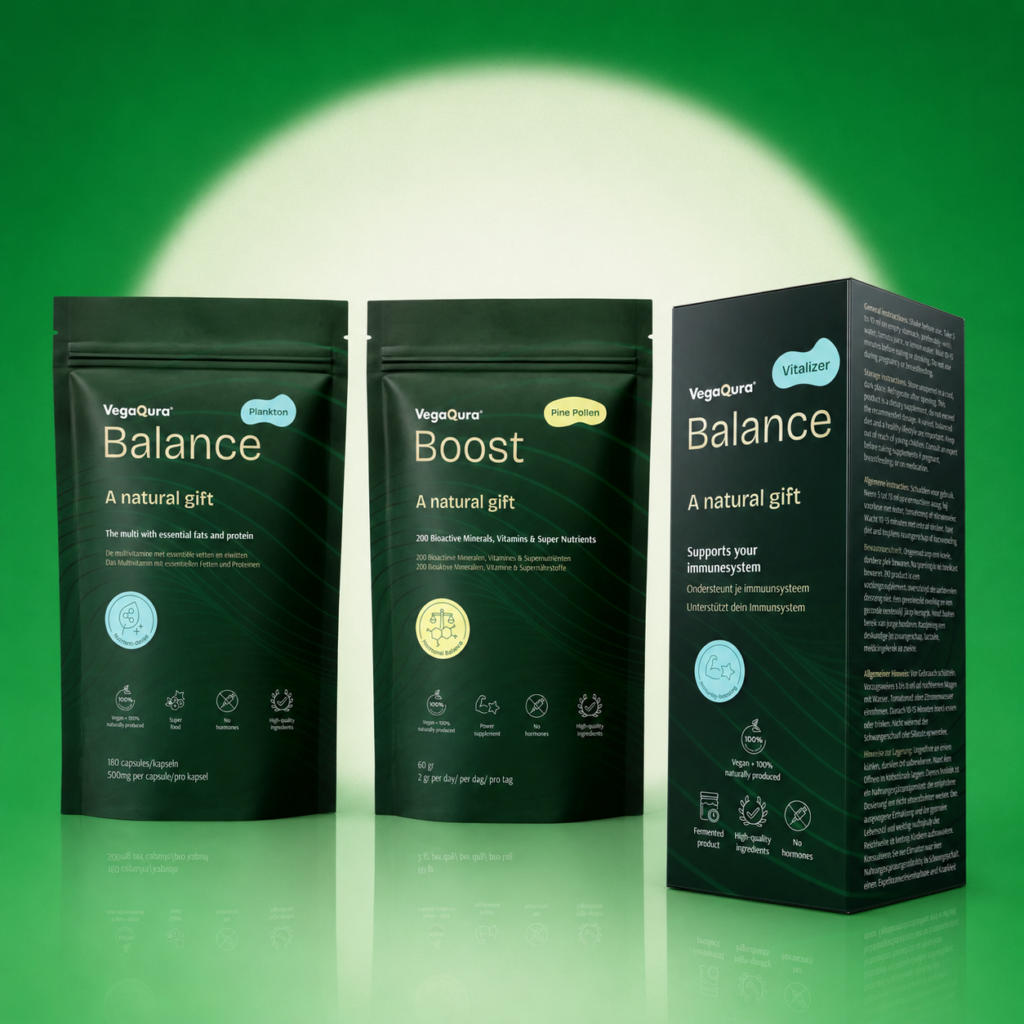
Plankton, the tiny living organisms floating in our oceans, are the true superfoods for our health. Among this group we find numerous microalgae, including Nannochloropsis Gaditana is one. This tiny alga offers a wealth of essential nutrients and has surprising health benefits you may not know about.
What is Nannochloropsis gaditana?
Nannochloropsis Gaditana is a single-celled green alga found in both fresh and salt water. This tiny alga, often only a few micrometers in size, belongs to the class Eustigmatophyceae (you may immediately forget that name again) and is one of the most studied species within the plankton.
What makes Nannochloropsis Gaditana so special? First, it is one of the few microalgae that is a rich source of vitamins, minerals, antioxidants and other bioactive compounds. But the most special thing about this alga is the amount of phospholipids it contains.
Phospholipids are molecules with a water-repelling side on one side and a water-attracting side on the other. Every cell in your body contains phospholipids because this is what the cell membrane is made of. The cell membrane controls what enters and leaves the cell.
Few other supplements provide these ready-made cell doors!
Function of phospholipids:
- Forms the cell membrane that delimits and protects the cell.
- Make the membrane flexible yet sturdy.
- Provide selective permeability: some substances can pass through, others cannot.
- Play a role in signaling processes within the cell.
Phospholipids are essential for the existence of every cell in your body.
In addition to phospholipids, there is another, more familiar substance in the alga: EPA (eicosapentaenoic acid). This is a very important polyunsaturated fatty acid. It is mostly found in fatty fish such as sardine, herring, mackerel and salmon. It is found ready-made in this algae, making it suitable for vegans and vegetarians.
EPA is an omega-3 fatty acid which the body cannot produce itself. It is important because of its anti-inflammatory effects in general, for cardiovascular health and its positive effects on the brain. The phospholipids and EPA together provide better absorption of the other substances, an advantage over other types of algae.
Rich in antioxidants and pigments
In addition to the omega-3 fatty acids is Nannochloropsis Gaditana a source of other important nutrients. The alga contains several antioxidants, such as vitamin C, vitamin E, carotenoids and astaxanthin. These compounds can neutralize free radicals and reduce oxidative stress, which can be beneficial for overall health.[1]
In addition, it contains Nannochloropsis Gaditana unique pigments such as chlorophyll and fucoxanthin. These pigments give the alga its green-brown color. Chlorophyll can stimulate blood production, aid in detoxification and support the immune system[2]. Fucoxanthin is a potent carotenoid that can help with weight management, diabetes and cancer prevention[3].
Source of essential nutrients
Nannochloropsis Gaditana has other essential nutrients, such as amino acids which form the basis for the production of high-quality proteins. The alga has a balanced amino acid profile.
B12 is not lacking among other B vitamins, which makes the alga special. There are few other plant sources of directly absorbable vitamin B12. This vitamin contributes to red blood cell formation, strengthens mitochondria and can help reduce fatigue.
The alga further contains several minerals such as iron, zinc, calcium and magnesium. Iron improves oxygen uptake and energy. Zinc provides improved smell and defense against viruses. Calcium is good for the bones and to keep the blood in the right acidity. Finally, magnesium is important because of its anti-inflammatory effects.
In short, these minerals are important for numerous functions in your body, from energy production to bone health and immune function.
Possible benefits for the intestines
Some research suggests that the alga may be good for gut health. The alga contains fiber and prebiotic substances that may stimulate the growth of beneficial gut bacteria. This may lead to improved gut function, better detox and a stronger immune system.[4]
In addition, the alga contains sulfate-conjugated polysaccharides. These are multiple sugars with the mineral sulfur, and sulfur can possibly anti-inflammatory and have protective effects on the intestines. This may be helpful in conditions such as irritable bowel syndrome, colitis and Crohn or in leaky gut disease (IBD).[5]
Rich in omega-3 fatty acids
Nannochloropsis Gaditana is one of the few microalgae that naturally contains a significant amount of omega-3 fatty acids and phospholipids contains. The alga contains up to 40% EPA on a total fatty acid basis. This makes the alga an excellent plant-based source of these essential fatty acids, which are often difficult to obtain in a vegetarian or vegan diet.
Phospholipids are fats that function as the “doors” of every cell. The membrane, as it is officially called, is made of phospholipids – something not very common in everyday foods.
Research shows that the omega-3 fatty acids in Nannochloropsis Gaditana can provide various health benefits:
- Improved cardiovascular health: EPA can help lower cholesterol, lower blood pressure and reduce inflammation, which may lower the risk of cardiovascular disease.[6]
- Gives better brain function: EPA plays an important role in brain development and function and may help treat conditions such as depression and ADHD.[7]
- Supports the immune system: EPA has anti-inflammatory properties and may help regulate the immune system[8].
Future as a dietary supplement?
Because of the versatile nutritional value and health benefits of this alga, there is much interest in its use in foods, supplements and other applications. Research on the specific health effects of this alga is in progress and is expected to yield even more insights.
Conclusion
Nannochloropsis Gaditana is a unique alga that contains a wealth of essential nutrients, such as omega-3 fatty acids, antioxidants and minerals. This alga offers various health benefits ranging from improved heart and brain function to a strengthened immune system and improved gut health.
With the increasing interest in plant-based and sustainable food sources, this alga is likely to play an increasingly prominent role in our diet and supplements. This makes the alga a promising addition to a healthy, balanced lifestyle.
Of course, the signs vary from person to person and sometimes certain symptoms persist. In that case, it is better to look further, for example at a complementary therapist who can help you with bioresonance, naturopathy, orthomolecular medicine or otherwise.
Have questions as a result of this blog? Comment here or email: info@vegaqura.com
Literature:
[1] https://www.greenmedinfo.com/article/microalgae-rich-source-antioxidants
[2] https://pubmed.ncbi.nlm.nih.gov/19301095/
[3] https://www.greenmedinfo.com/substance/fucoxanthin
[4] https://www.greenmedinfo.com/article/microalgae-may-provide-prebiotic-benefits
[5] https://pubmed.ncbi.nlm.nih.gov/26688191/
[6] https://pubmed.ncbi.nlm.nih.gov/22353421/
[7] https://www.greenmedinfo.com/article/epa-may-be-useful-treatment-depression
[8] https://pubmed.ncbi.nlm.nih.gov/24494624/