









Nutrients that are more often lacking during menopause
During menopause, many women need more of certain nutrients, because the falling oestrogen level affects things like bones, muscles, mood and sleep. Even if you eat healthily, it can be hard to get enough of everything.
These nutrients in particular deserve attention:
- Vitamin D: important for bones, muscles and immunity. In the Netherlands we produce little vitamin D from the sun between October and March, so a deficiency develops easily.
- Calcium: bone density declines faster in the years around menopause, so getting enough calcium from food is especially valuable.
- Magnesium: plays a role in muscles, the nervous system and energy metabolism. Many women recognise themselves in muscle tension, restlessness or light sleep.
- Vitamin B12: especially relevant with a plant-based diet, because B12 is hardly found naturally in plant-based foods.
- Omega-3 fatty acids: contribute to heart and brain health and are found mainly in oily fish and algae oil.
A blood test at your GP gives you something to go on about what you really need. That way you avoid taking all sorts of things at random.
Supplements that complement a varied diet well
The best supplements fit in with what your food already provides and only fill in where needed. So first take a critical look at your daily menu, and then choose with purpose.
Vitamin D and magnesium as a regular combination
Vitamin D during menopause is a logical choice for many women, especially in the dark months. It works together with calcium and helps your body absorb this mineral. Magnesium fits in nicely here: magnesium during menopause supports muscles and the nervous system and is often taken in the evening, because it contributes to relaxation.
Supplementing a plant-based or less varied menu
If you eat little fish, algae oil with omega-3 can be a good addition. If you eat mostly plant-based, B12 is almost always a sensible choice. Iron and zinc also deserve attention, but only take them if there is a reason for it, for example after a blood test.
Preferably choose natural supplements without unnecessary fillers, colourings and flavourings. A short ingredient list often says a lot about quality.
Gut health, probiotics and enzymes during menopause
A healthy gut supports the absorption of nutrients, and during menopause in particular, many women notice changes in their digestion, such as bloating, slower bowel movements or more sensitive intestines. Hormones also affect gut motility and the composition of the gut flora.
Probiotics during menopause can help support the balance of the gut flora. They work best in combination with fibre-rich foods, such as vegetables, legumes and oats, because these serve as food for the good bacteria. Fermented products such as sauerkraut, kimchi and kefir are a nice natural addition.
Digestive enzymes are also getting more and more attention. They support the breakdown of food, which can be helpful if you feel heavy after eating. Build everything up gradually and pay attention to how your body responds, because everyone’s gut is different.
How to combine supplements smartly throughout the day
By spreading supplements smartly across the day, you get more out of them and avoid them getting in each other’s way. A simple routine also makes it easier to stick with it.
- Breakfast: you absorb vitamin D, omega-3 and B12 better with a meal that contains some fat.
- Lunch or between meals: enzymes work best around or just before a meal, as indicated on the packaging.
- Evening: magnesium fits well with the evening routine and can support relaxation.
- Probiotics: follow the product’s instructions for use; some you take on an empty stomach, others with food.
Also take interactions into account. Calcium and iron can affect each other’s absorption, so preferably take them at different times. Also start with just one or two supplements at a time, so you notice what works for you.
Points of attention and when to seek advice
Always consult your GP, pharmacist or therapist if you take medication, may be pregnant, have a condition or are unsure about your dosage. Some supplements can affect how medication works, for example with blood thinners or thyroid treatment.
More is not always better. Stick to the recommended amounts and always have symptoms that persist or get worse investigated. Severe hot flushes, persistent fatigue, mood problems or unexplained weight loss deserve a professional look, even if they seem to belong to menopause.
So see supplements as support alongside nutrition, exercise, sleep and relaxation. That interplay often yields the most.
How we help with support during menopause
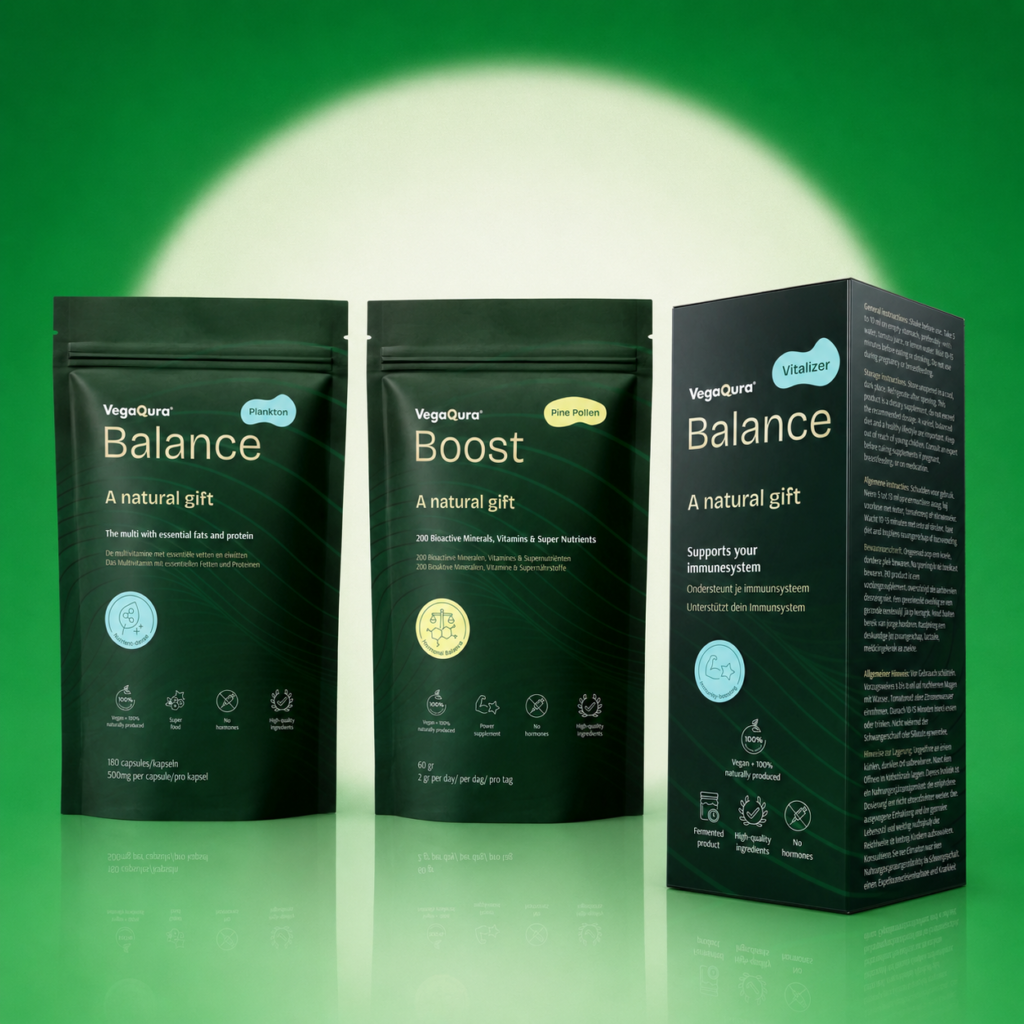
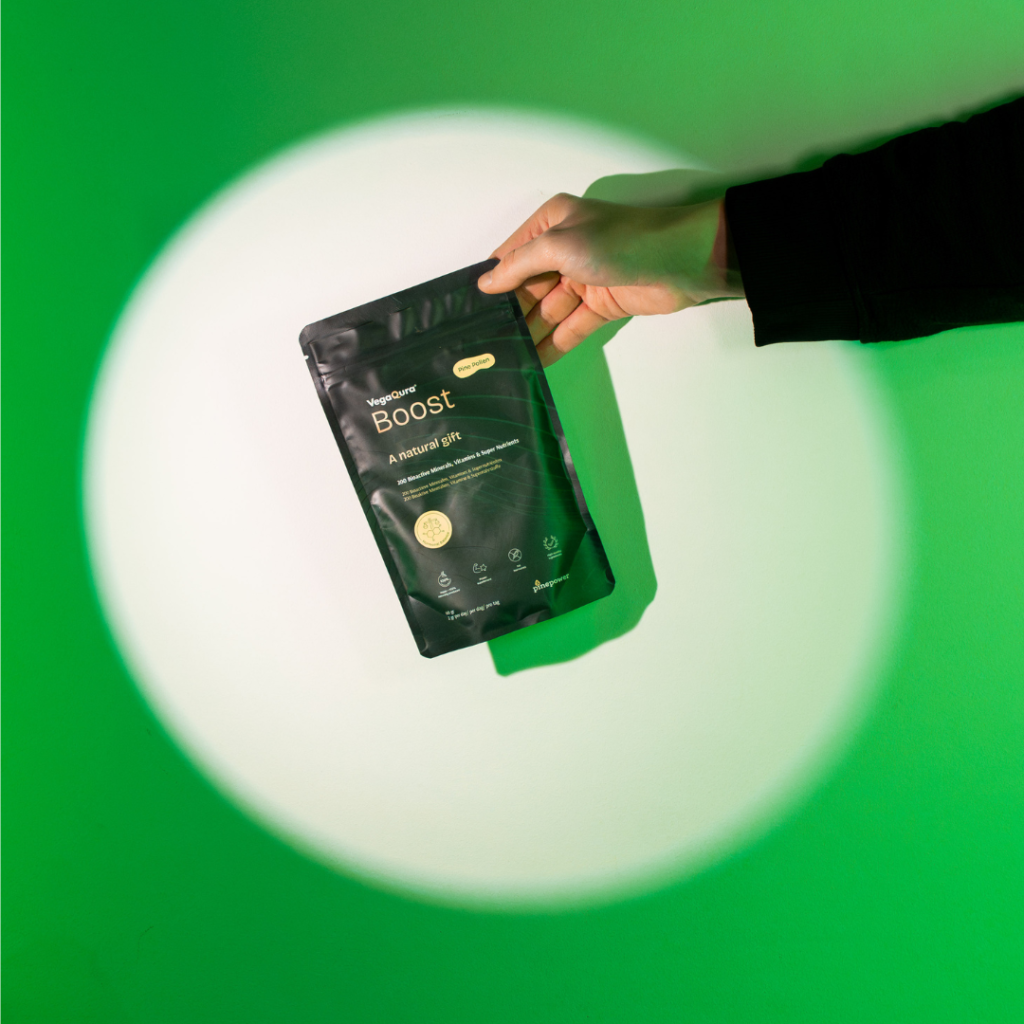
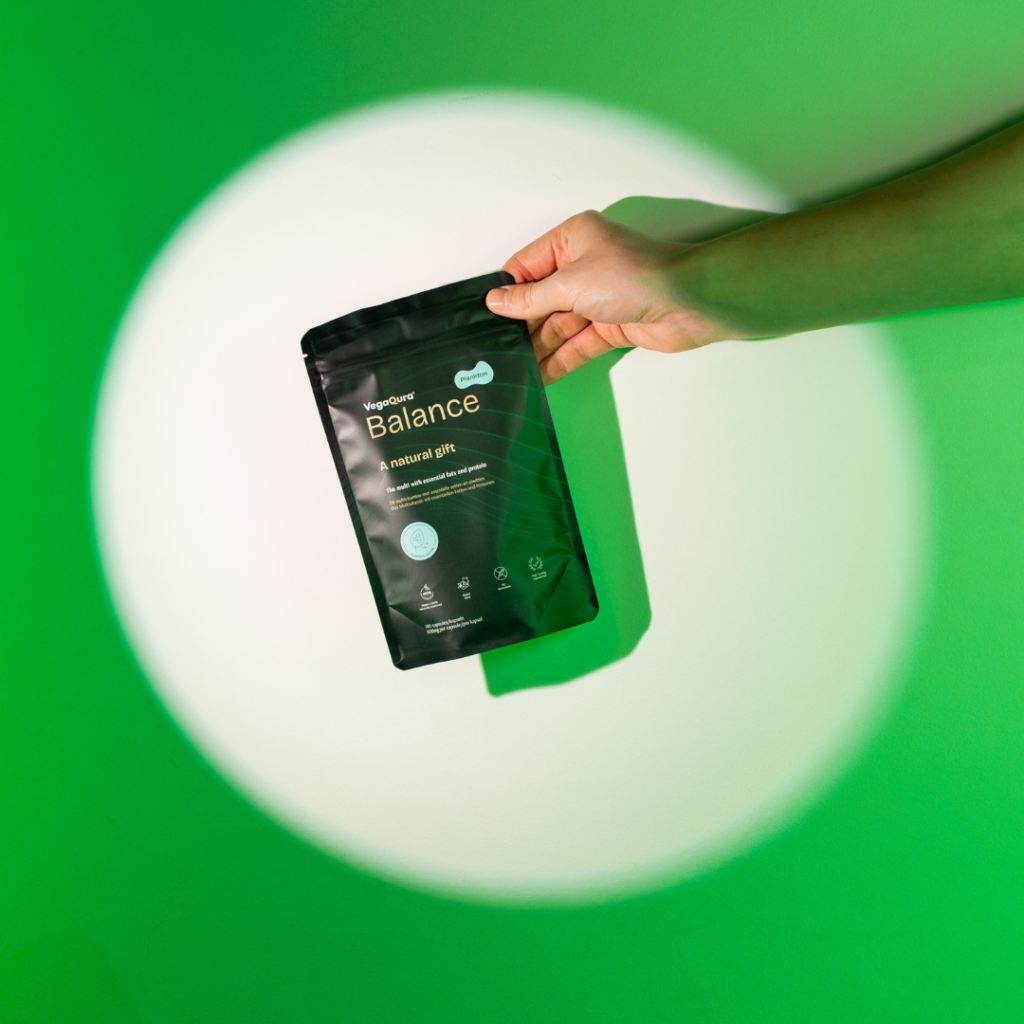
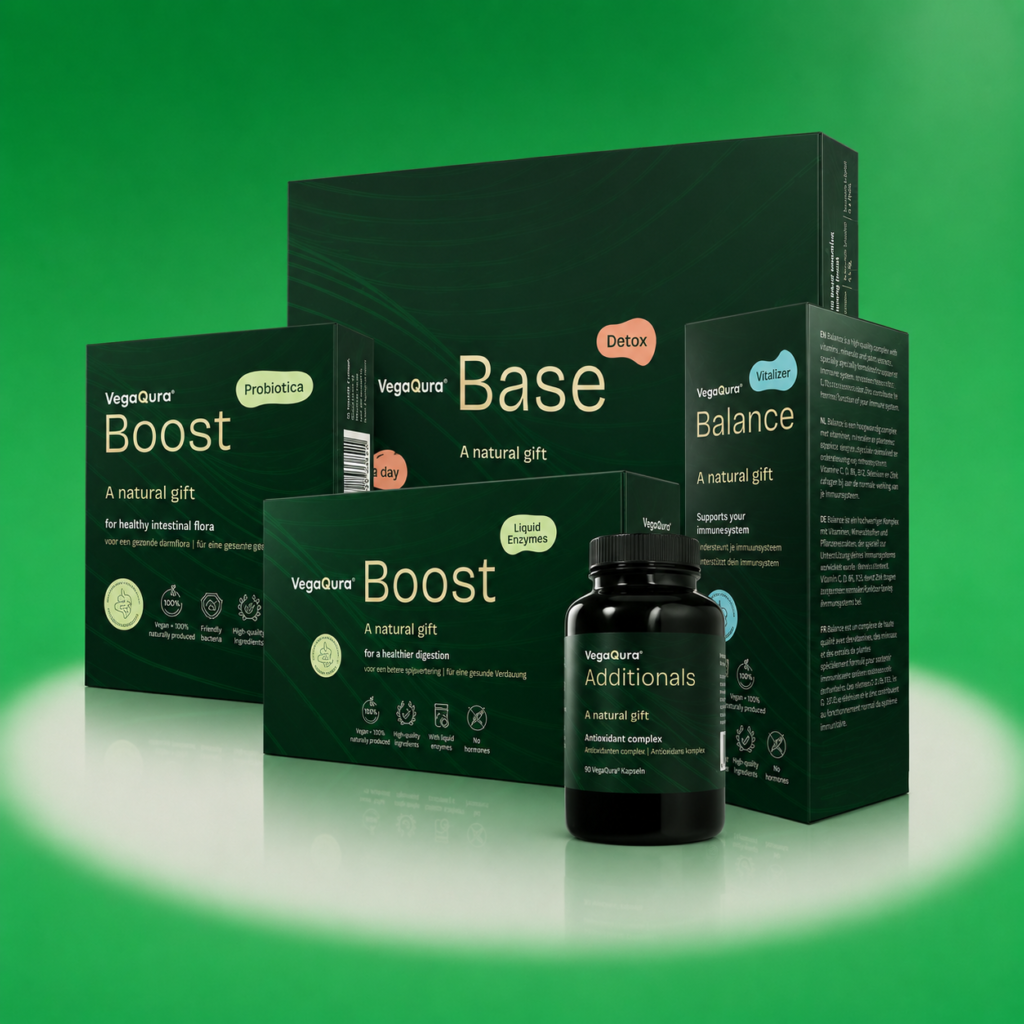
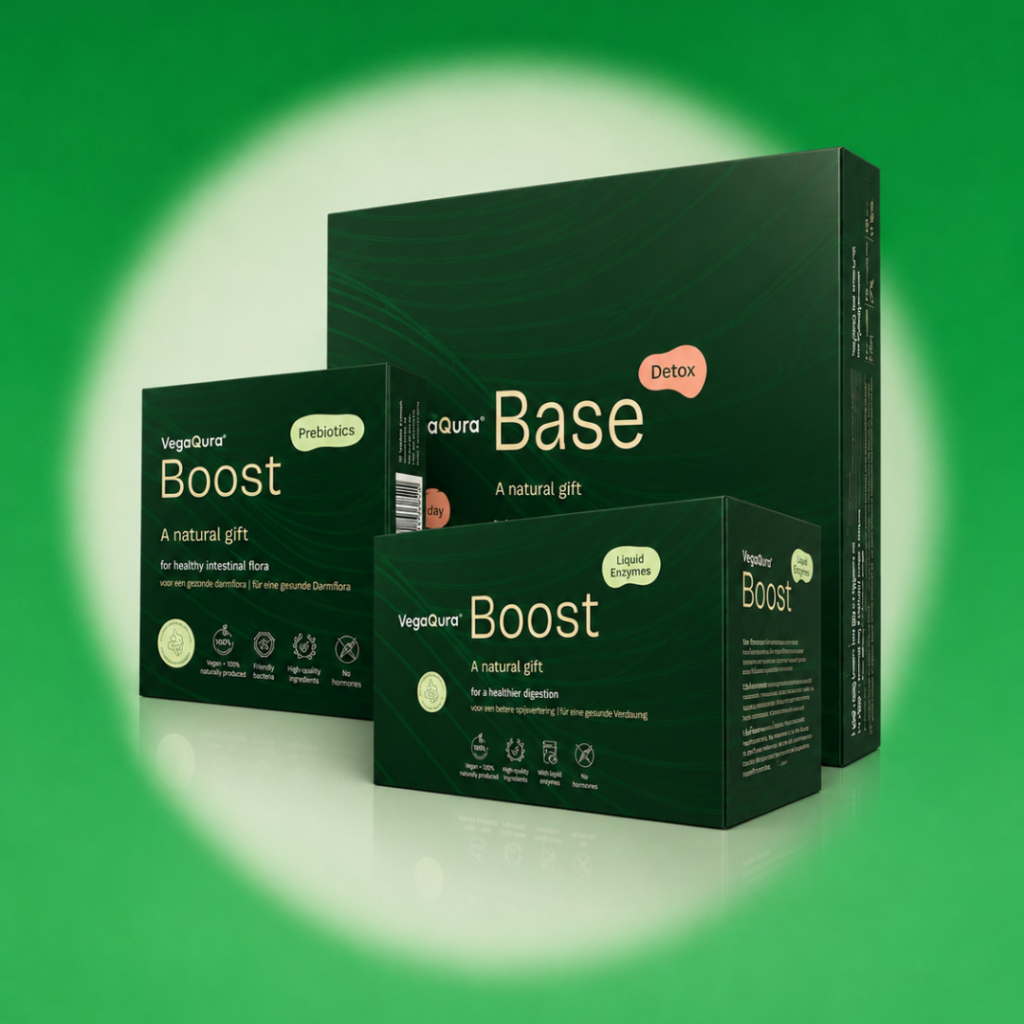
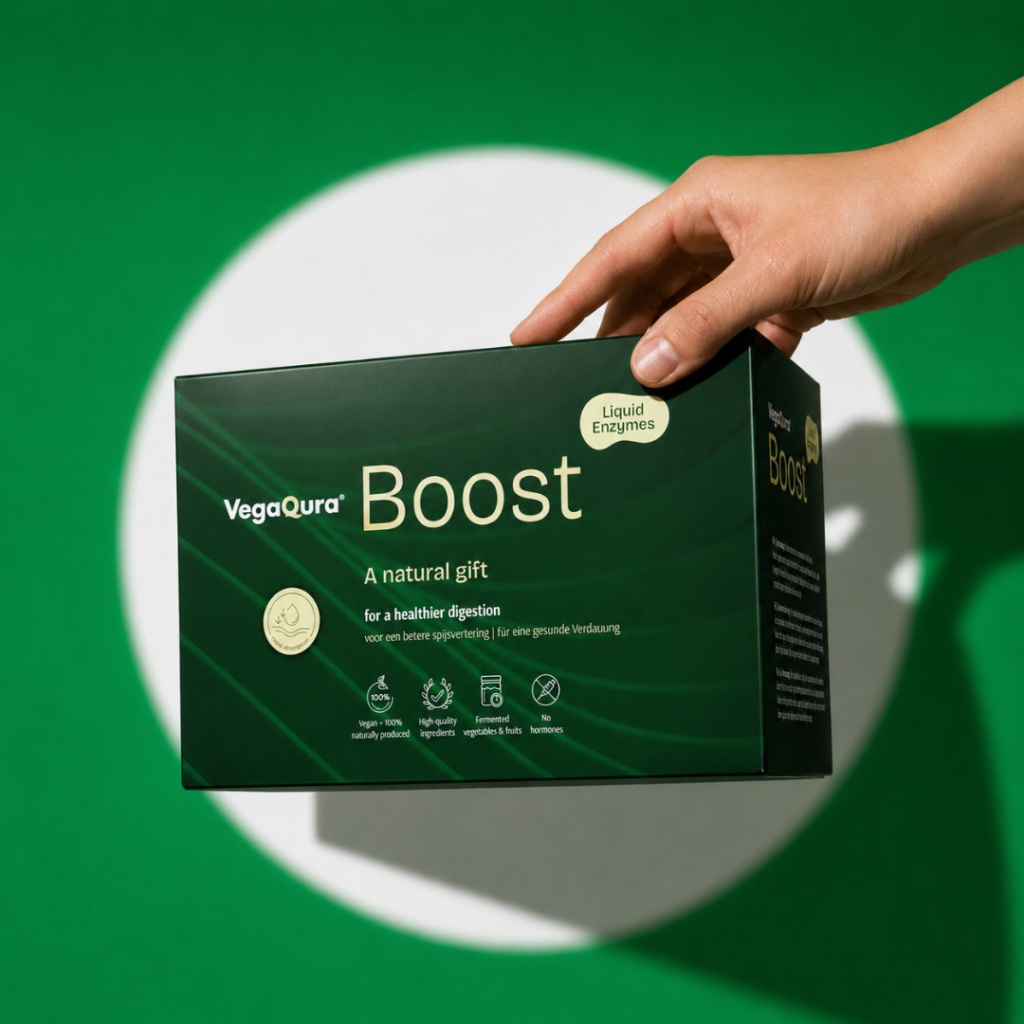
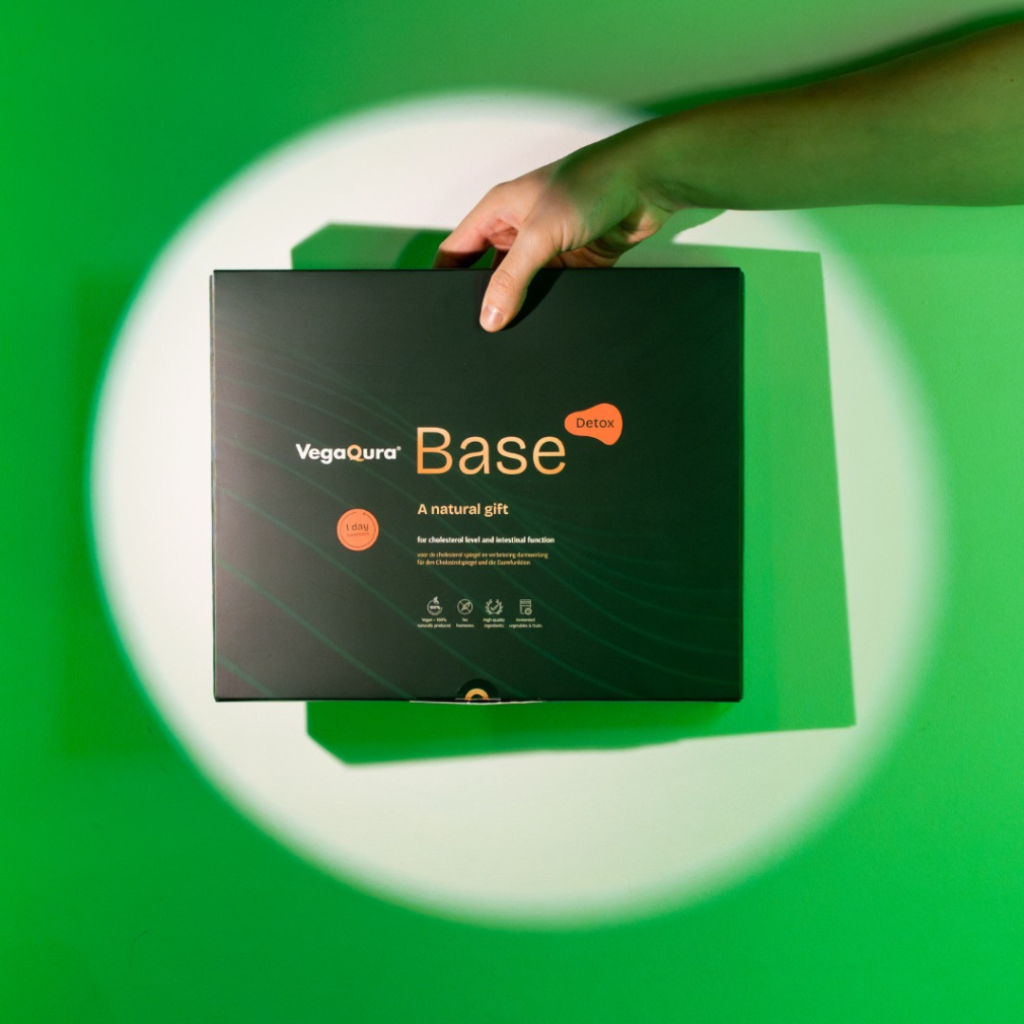
With us, everything revolves around natural support, based on sun-ripened vegetables and fruit and fermented according to centuries-old traditions. For women who want to work on their balance and vitality during menopause, we have put together a Hormone Package with Vitalizer, Pine Pollen and Plankton.
This fits our starting point:
- completely natural, without unnecessary fillers, colourings and flavourings;
- plant-based and sustainable, with respect for body and planet;
- intended as a supplement to a varied diet, not as a replacement;
- focused on preventive self-care, so you can support your body with purpose.
Want to know what this package can mean for you? Take a look at the Hormone Package and discover how we can support you in a natural way during this special phase of life.
Veelgestelde vragen
How do I start with supplements during menopause if I don't know what I need?
Start with a blood test at your GP to see whether you have deficiencies, for example in vitamin D, B12 or iron. Also take a critical look at your daily diet and write down what you eat for a week. Then begin with one or two targeted supplements, such as vitamin D in the dark months, and only expand afterwards if needed.
How long does it take before I notice the effect of supplements?
That differs per supplement and per person. Magnesium can contribute to more relaxation within a few weeks, while vitamin D and omega-3 often only contribute noticeably to your overall wellbeing after two to three months. So give your body time and keep a short diary of your energy, sleep and digestion.
What if my gut gives me trouble after starting probiotics or enzymes?
A slightly bloated feeling in the first few days is not unusual, because your gut flora is adjusting. Lower the dose or take the product every other day, and build up gradually. If the symptoms last longer than a few weeks or get worse, stop and consult your GP, pharmacist or therapist.
Can I combine supplements with medication such as blood thinners or thyroid medication?
You can, but not without consulting someone first. Some supplements, such as products rich in vitamin K, calcium, iron or magnesium, can affect how medication works or is absorbed. Ask your pharmacist for an interaction check and take supplements and medication at different times if necessary.
What should I look for when choosing a good-quality supplement?
Choose products with a short ingredient list, without unnecessary fillers, colourings and flavourings. Look for a clear dosage per daily serving, the form of the nutrient (for example magnesium citrate or bisglycinate instead of oxide) and transparency from the manufacturer. Quality marks and independent test results are a plus.
Which common mistakes should I avoid when taking supplements during menopause?
The most common mistakes are starting too many at once, taking higher doses than recommended and using supplements as a replacement for a varied diet. Taking calcium and iron at the same time is also common. Keep it simple, follow the instructions for use and evaluate after a few months what really has an effect.
When should I not blame symptoms on menopause and still go to the GP?
Go to the GP for severe hot flushes that disrupt your daily life, persistent fatigue, low or anxious feelings, unexplained weight loss or irregular heavy bleeding. These symptoms can belong to menopause, but can also have other causes, such as thyroid problems or anaemia. Supplements are support and never a replacement for medical examination.