
Foods with the highest concentration of phytoestrogens
The richest sources of phytoestrogens are flaxseed, soy products, and sesame seeds. Flaxseed contains by far the highest amount of lignans, an important group among plant estrogens. Soy mainly provides isoflavones, which are known for their estrogen-like activity.
There are big differences among soy products. Edamame, tofu, tempeh, and soy milk all contain soy isoflavones, but tempeh and miso are fermented and are often experienced as easier to digest. Sesame seeds, especially in the form of tahini, and sunflower seeds also score well on lignans.
A short list of the strongest sources:
- Flaxseed: the richest source of lignans, best absorbed when cracked or ground
- Soybeans and soy products: rich in isoflavones, such as genistein and daidzein
- Sesame seeds: a good supplementary source of lignans
- Red clover: contains isoflavones and is often used as herbal tea or a supplement
Vegetables, fruit, and nuts with plant estrogens
Beyond the well-known seeds and soy, phytoestrogens are also found in everyday vegetables, fruit, and nuts, although the concentration there is lower. That is exactly what makes them practical: you are already eating them, so they keep contributing a little in the background.
Legumes and vegetables
Legumes are an excellent source. Chickpeas, lentils, white beans, and peas contain isoflavones and lignans, and also provide fiber and plant-based protein. Among vegetables, broccoli, Brussels sprouts, garlic, carrots, and alfalfa sprouts are worth mentioning.
Fruit and nuts
Among fruits, apples, plums, apricots, berries, and dried fruits such as dates are interesting. Among nuts, pistachios, almonds, walnuts, and chestnuts contain measurable amounts of phytoestrogens. Whole grains such as oats, barley, and rye add a generous portion of lignans on top of that.
Fermented products and the role of your gut
Your gut partly determines how much you actually get out of phytoestrogens. Many of these compounds only become active after gut bacteria have converted them. Lignans from flaxseed, for example, are converted into enterolactone, and daidzein from soy can be converted into equol by certain bacteria.
That explains why two people can eat the same meal and still react differently. A diverse gut flora with enough beneficial bacteria makes the difference. Fermented foods such as tempeh, miso, natto, sauerkraut, and kimchi support that gut health and often also contain phytoestrogens that have already been partly broken down by fermentation.
If you want to give your gut a helping hand, it pays to eat plenty of fiber and regularly choose fermented products. This creates an environment in which plant estrogens can work better.
Easily working phytoestrogens into your daily menu
You don’t have to overhaul your diet to get more phytoestrogens. Small, smart adjustments are enough.
- Breakfast: sprinkle a tablespoon of freshly ground flaxseed over oatmeal, yogurt, or a smoothie
- Lunch: make a salad with chickpeas, broccoli, and a tahini dressing
- Dinner: replace meat once a week with tofu, tempeh, or a lentil curry
- Snacks: choose a handful of pistachios or almonds and a piece of fruit
Store ground flaxseed in a cool, dark place, because the healthy fats can oxidize quickly. Variety remains the guiding principle: rotate your sources instead of eating the same thing every day.
What to watch out for when consuming them
For most healthy adults, phytoestrogens from regular food are safe as part of a varied diet. This is about normal portions of food, not extremely high doses from concentrated extracts.
If you have a hormone-sensitive condition, have had breast cancer, use hormone medication, or have thyroid problems, it is best to discuss a significant increase in soy or flaxseed with a doctor or dietitian first. Consulting a professional is also wise during pregnancy or breastfeeding. Build up the amount gradually and pay attention to how your body responds, for example your digestion, because lots of fiber can cause some extra gas at first.
How the Hormone Package helps with hormonal balance
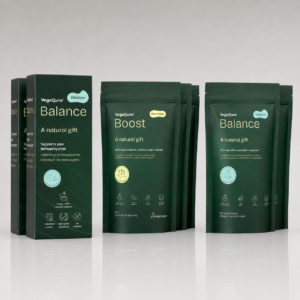
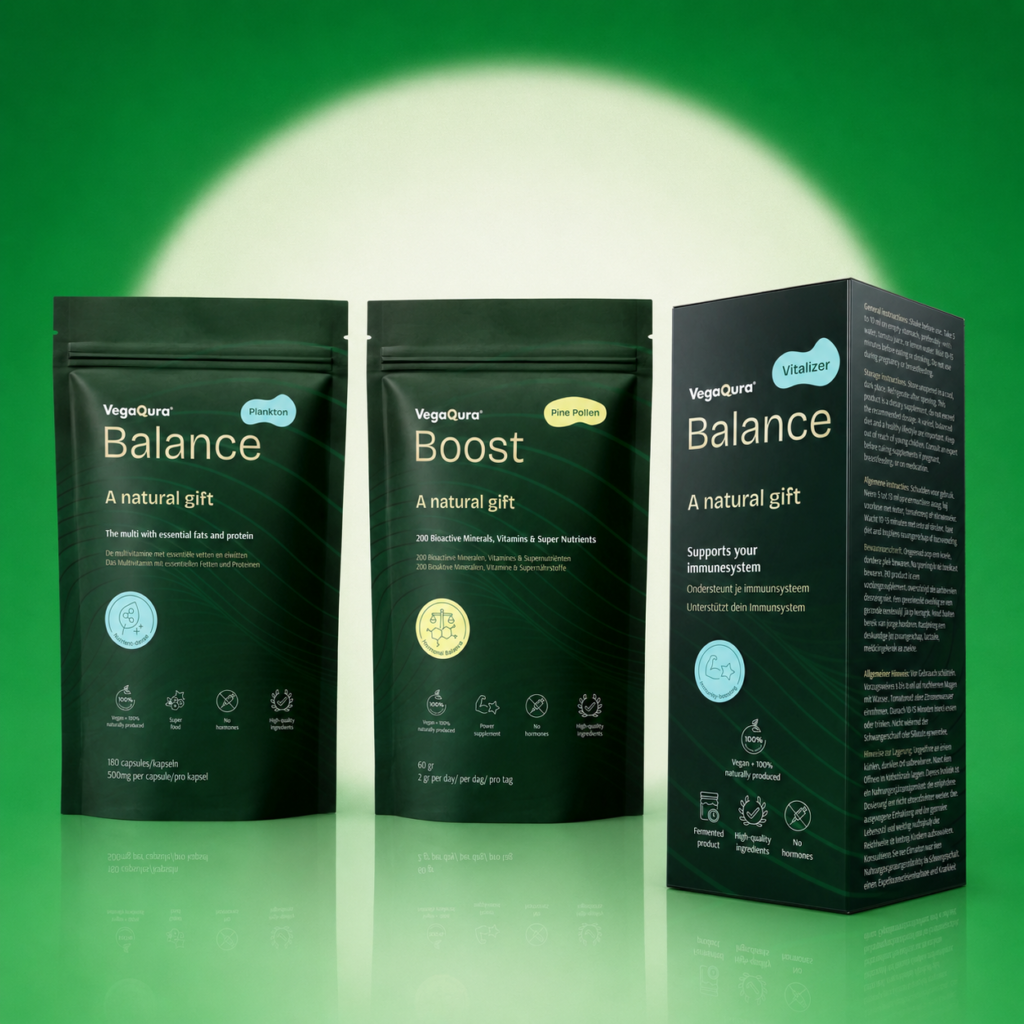
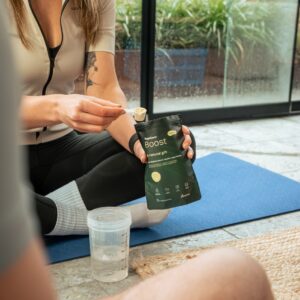
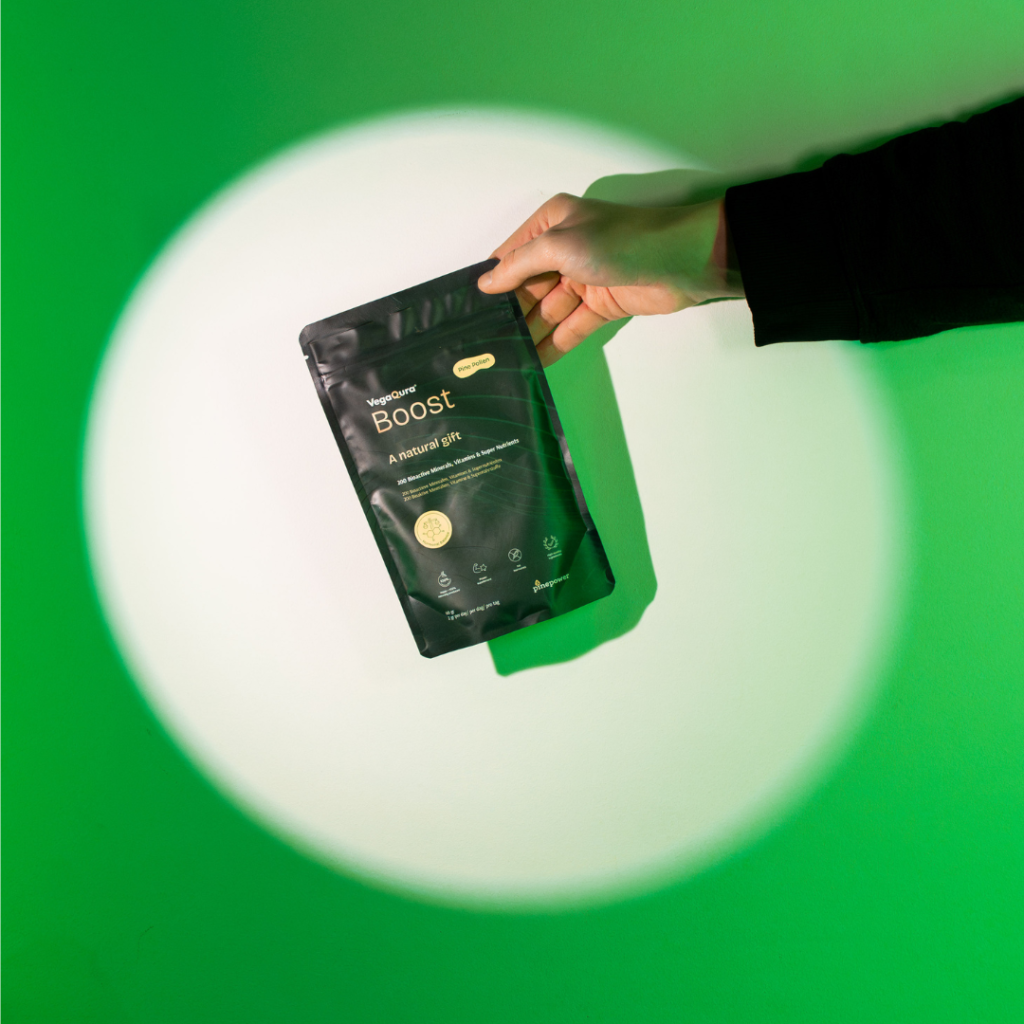
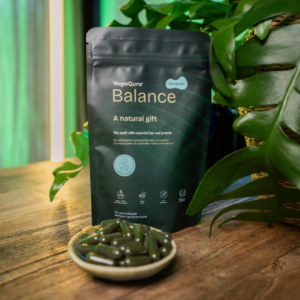
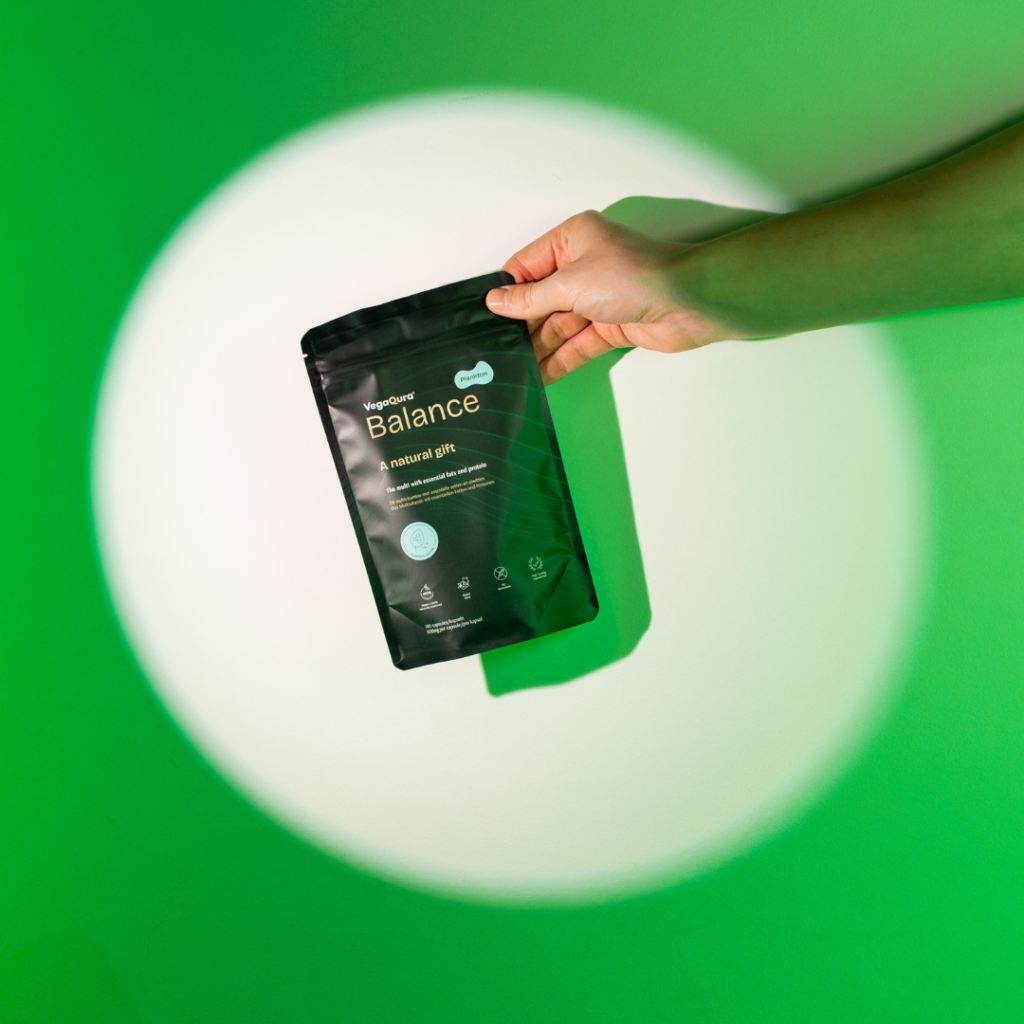
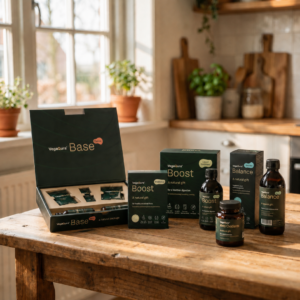
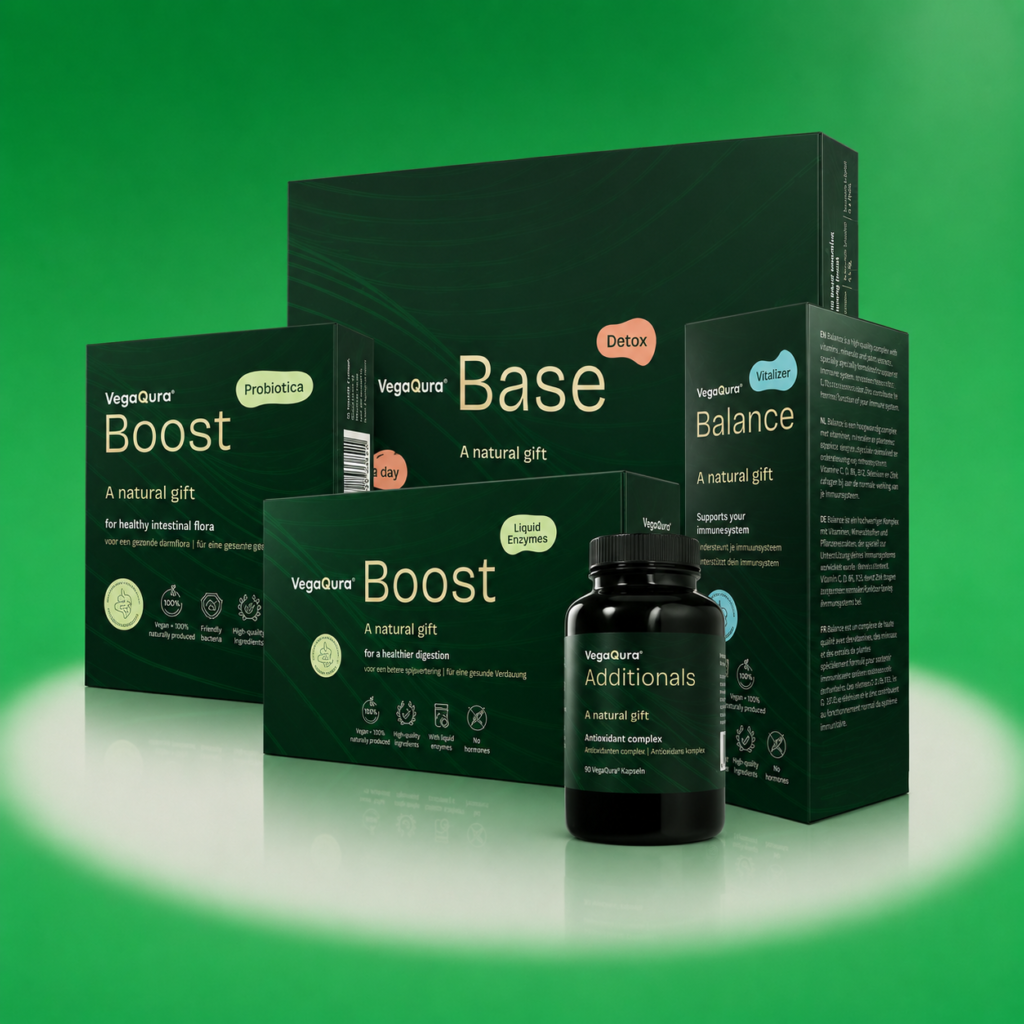
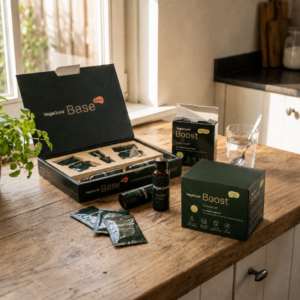
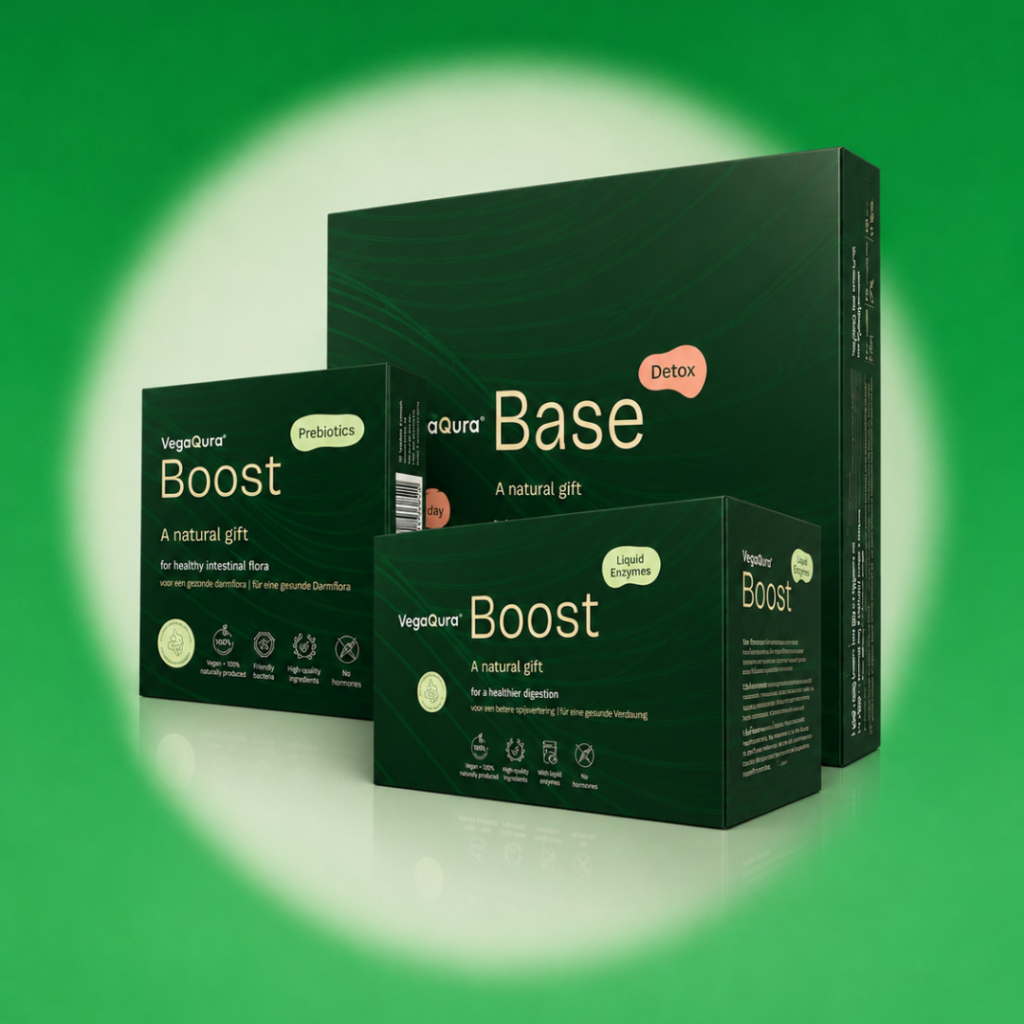
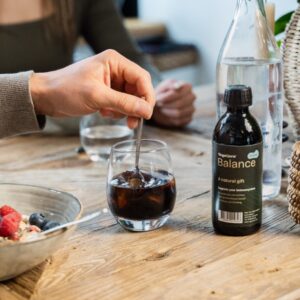
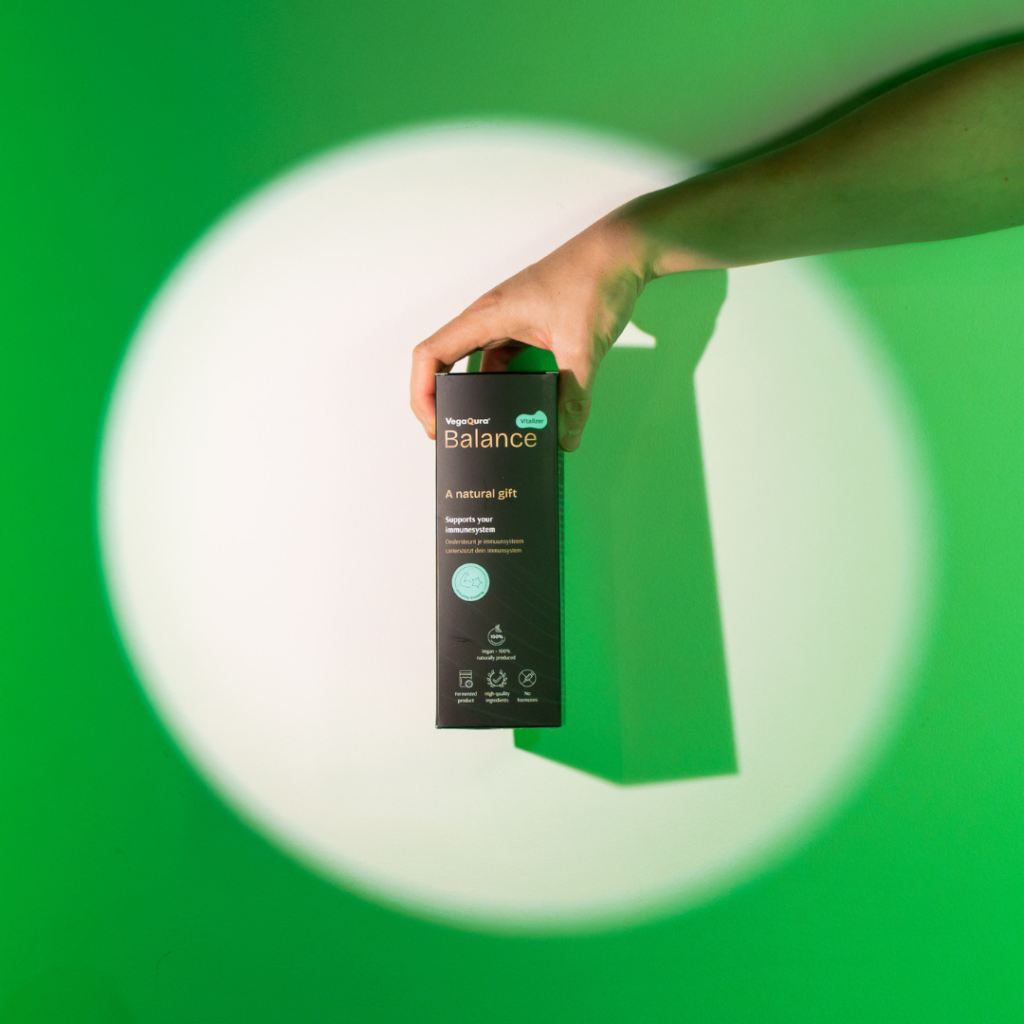
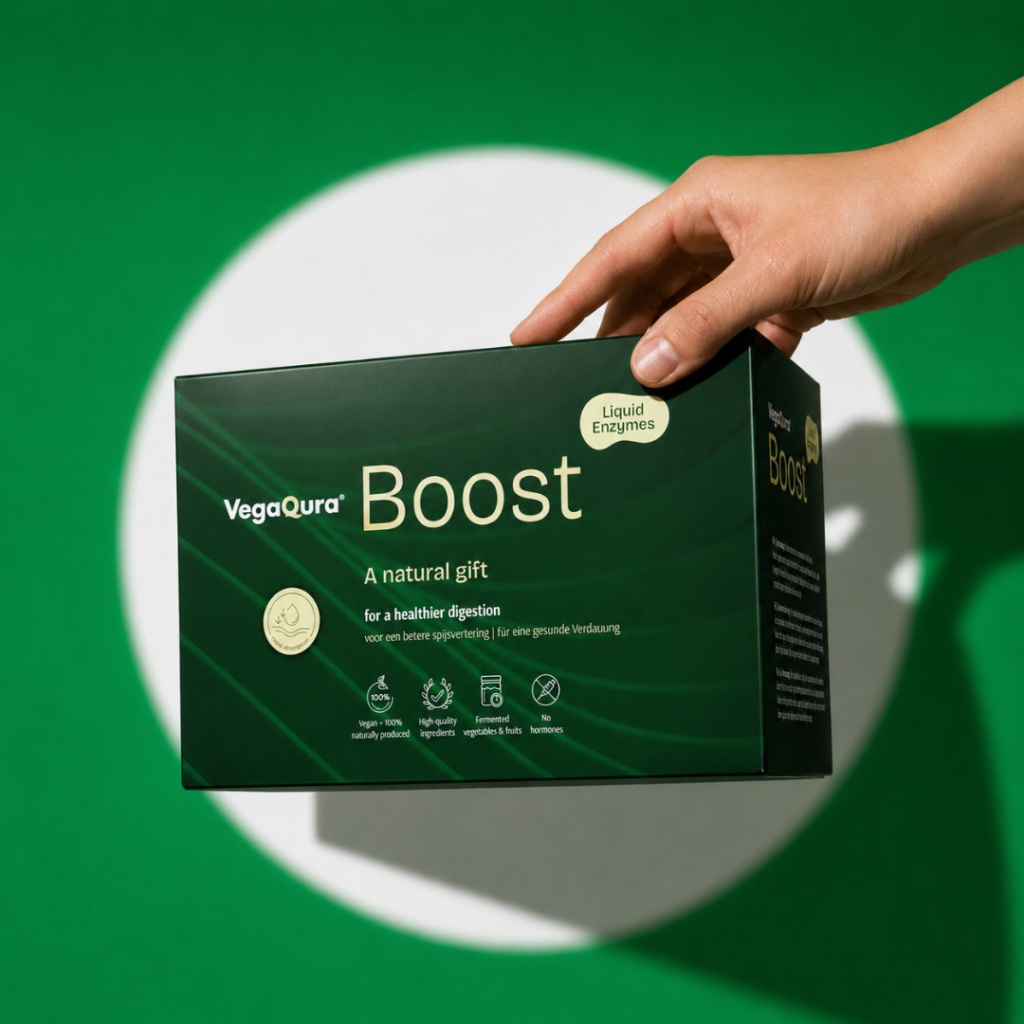
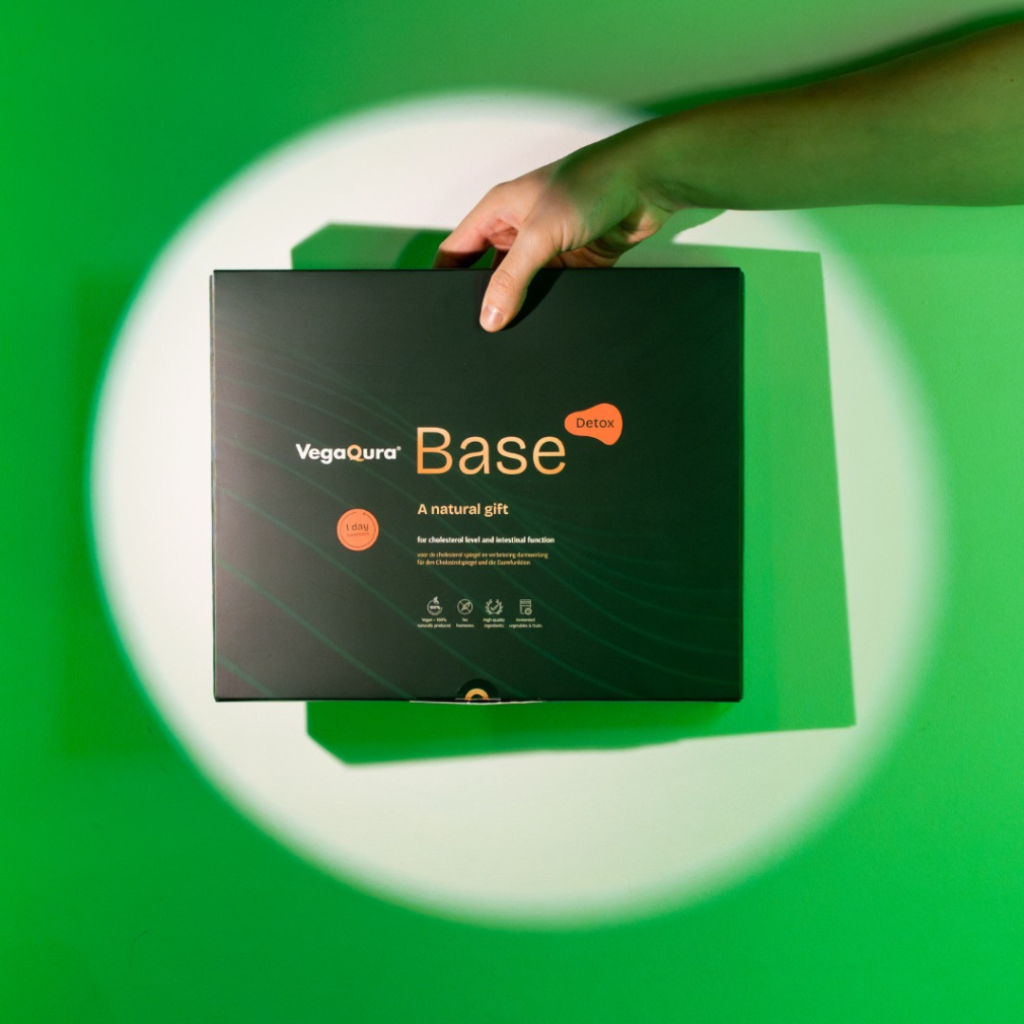
Nutrition is the foundation, but sometimes you want to give your body extra support. That is why we put together the Hormone Package with Vitalizer, Pine Pollen and Plankton, a combination that fits the natural approach of this article.
- We work with fully natural ingredients, without unnecessary fillers, colorings, or flavorings
- The Vitalizer preventively supports your overall vitality, based on sun-ripened vegetables and fruit that we ferment following centuries-old traditions
- Pine Pollen and Plankton supplement your daily diet with plant compounds that help keep your body in balance
- The products are plant-based and sustainable, in line with our vision of health and respect for the earth
Want to know if this suits your situation? Take a look at the Hormone Package and discover how we can support you naturally in 2026.
Veelgestelde vragen
What is the best way to start getting more phytoestrogens in my diet?
Start small with one new source per week, for example a tablespoon of freshly ground flaxseed in your oatmeal or a vegetarian meal with chickpeas or tofu. This lets your digestion gradually get used to the extra fiber. Keep track of how you feel for a few weeks and then gradually expand with more variety.
How much flaxseed or soy can I eat per day?
As a guideline for healthy adults, 1 to 2 tablespoons of ground flaxseed per day and 1 to 2 servings of soy products (such as tofu, tempeh, or a glass of soy milk) are often mentioned. These are normal food portions, not therapeutic doses. If you have specific health complaints or take medication, consult a doctor or dietitian about what is appropriate for you.
Is ground flaxseed better than whole flaxseeds?
Yes, whole seeds often pass through your gut largely undigested, so you barely absorb the lignans. It is better to buy cracked flaxseed or grind it fresh yourself in a coffee grinder or blender. Store the ground seed in a sealed container in the refrigerator so the fats don’t go rancid.
What if I get a bloated feeling or gas?
This is often caused by the extra fiber and legumes and is usually temporary. Temporarily reduce the amount, drink enough water, and soak dried legumes well before cooking them. Fermented options such as tempeh or miso are often better tolerated than other soy products.
Why do I notice little effect even though I eat phytoestrogens?
Your gut flora plays a big role: not everyone converts daidzein into equol or lignans into enterolactone to the same extent. In addition, nutrition takes time; give it at least several weeks to months of consistent eating. Support your gut with fiber and fermented products and also look at sleep, exercise, and stress levels.
Is it better to get phytoestrogens from food or from supplements?
Food is the safest foundation, because you also get fiber, protein, and other nutrients, and the dose naturally stays limited. Supplements and concentrated extracts often contain much higher amounts and are not suitable for everyone. If you opt for additional support, use a natural product and, if in doubt, discuss it with your GP or dietitian first.
Are there combinations that improve the absorption of phytoestrogens?
Combine phytoestrogens with fiber-rich foods and fermented products so your gut bacteria can convert them better. A meal with tempeh, sauerkraut, and whole grains, for example, is a good illustration of this. Also rotate your sources regularly to encourage a diverse gut flora.