









Hormonal fluctuations that affect your metabolism
During perimenopause, your estrogen levels drop and fluctuate, and this affects how your body uses energy, stores fat, and responds to blood sugar. As a result, many women notice that their metabolism feels slower and that weight tends to gather around the abdomen more often.
Estrogen plays a role in your body’s sensitivity to insulin. When this hormone fluctuates, blood sugar spikes and dips can occur more often. That explains why you may suddenly crave something sweet or feel tired after a meal. Progesterone also declines, which can affect sleep and mood, and indirectly your appetite and energy as well.
This does not mean you are powerless. Your nutritional needs shift during perimenopause, and if you understand that, you can respond to it in a targeted way. Let’s look at which nutrients deserve the most attention.
Nutrients that deserve extra attention now
Calcium, vitamin D, protein, magnesium, and omega-3 fatty acids deserve extra attention during perimenopause, because they support bones, muscles, mood, and energy. A decline in estrogen also affects your bone formation and muscle mass.
Calcium and vitamin D
Calcium and vitamin D together form an important duo for strong bones. Vitamin D helps your body absorb calcium, and in the Netherlands the strength of the sun is too low for much of the year to produce enough vitamin D. You get calcium from dairy, but also from leafy greens, nuts, seeds, and fortified plant-based alternatives. For the right vitamin D intake, it is best to consult your GP or a qualified therapist.
Protein, magnesium, and omega-3
Protein in perimenopause: muscle mass gradually declines with age, and sufficient protein helps slow that down. Spread your protein across the day through legumes, tofu, tempeh, eggs, fish, or nuts. Magnesium, found in pumpkin seeds, oats, and dark leafy greens, supports muscles and nerves and can help with relaxation. Omega-3 fatty acids from oily fish or algae oil contribute to heart and brain health.
B vitamins also deserve a place in your considerations, because they are involved in energy metabolism. Anyone looking for perimenopause vitamins is therefore best off looking at the full picture rather than at a single pill.
The role of gut health and digestion
Your gut and your hormones influence each other, which makes gut health an underrated part of perimenopause. A healthy gut flora helps with the breakdown and removal of hormones and with the absorption of nutrients such as calcium and magnesium.
Many women notice more bloating, sluggish bowel movements, or a sensitive stomach during this period. Fluctuating hormones can affect bowel movement and the composition of the gut flora. Stress, which often increases in this phase, plays a part too.
Fiber is your best ally. Vegetables, fruit, legumes, and whole grain products feed the good gut bacteria. Fermented foods such as sauerkraut, kimchi, kefir, or tempeh also provide live cultures. Drinking enough water and eating slowly, chewing well, support digestion without requiring much effort.
Adjusting your eating pattern for stable energy
For stable energy during perimenopause, it helps to combine every meal with protein, fiber, and healthy fats, so that your blood sugar rises and falls more gently. This helps you avoid the well-known afternoon slump and the sweet cravings that follow.
A few practical adjustments often make a difference already:
- Start your day with a protein-rich breakfast, such as Greek or plant-based yogurt with nuts and fruit, instead of just bread with sweet toppings.
- Choose whole grain or unprocessed carbohydrates, such as oats, quinoa, and sweet potato, over white varieties.
- Add vegetables to every meal and limit heavily processed snacks.
- Watch your caffeine and alcohol, because in some women these can worsen hot flashes and sleep problems.
- Eat regularly, so that you don’t go too long without food and your energy doesn’t drop.
Good sleep and exercise work together with your nutrition. Strength training combined with enough protein supports muscle mass and metabolism, while a walk after eating helps stabilize your blood sugar.
When supplements can be worthwhile
Dietary supplements can be worthwhile when you don’t get everything through food, for example with vitamin D in the winter months or with a plant-based diet. They complement a healthy eating pattern, but never replace it.
Before you start with menopause supplements, it is wise to look at where your needs lie. A blood test through your GP can provide insight into, for example, vitamin D, iron, or B12. Preferably choose products with natural ingredients and without unnecessary fillers, colorings, or flavorings. If you use medication or have complaints that persist for a long time, always consult a doctor first.
How VegaQura helps with natural support during perimenopause
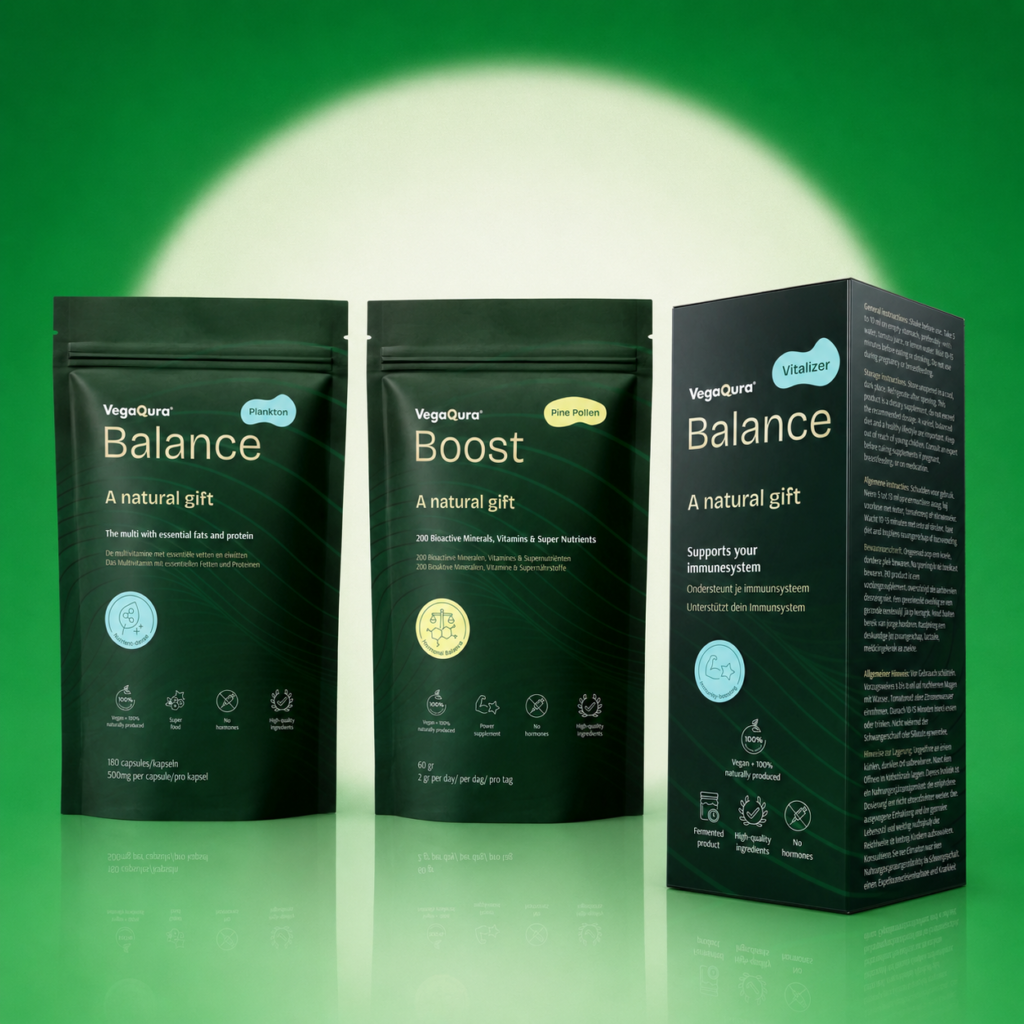
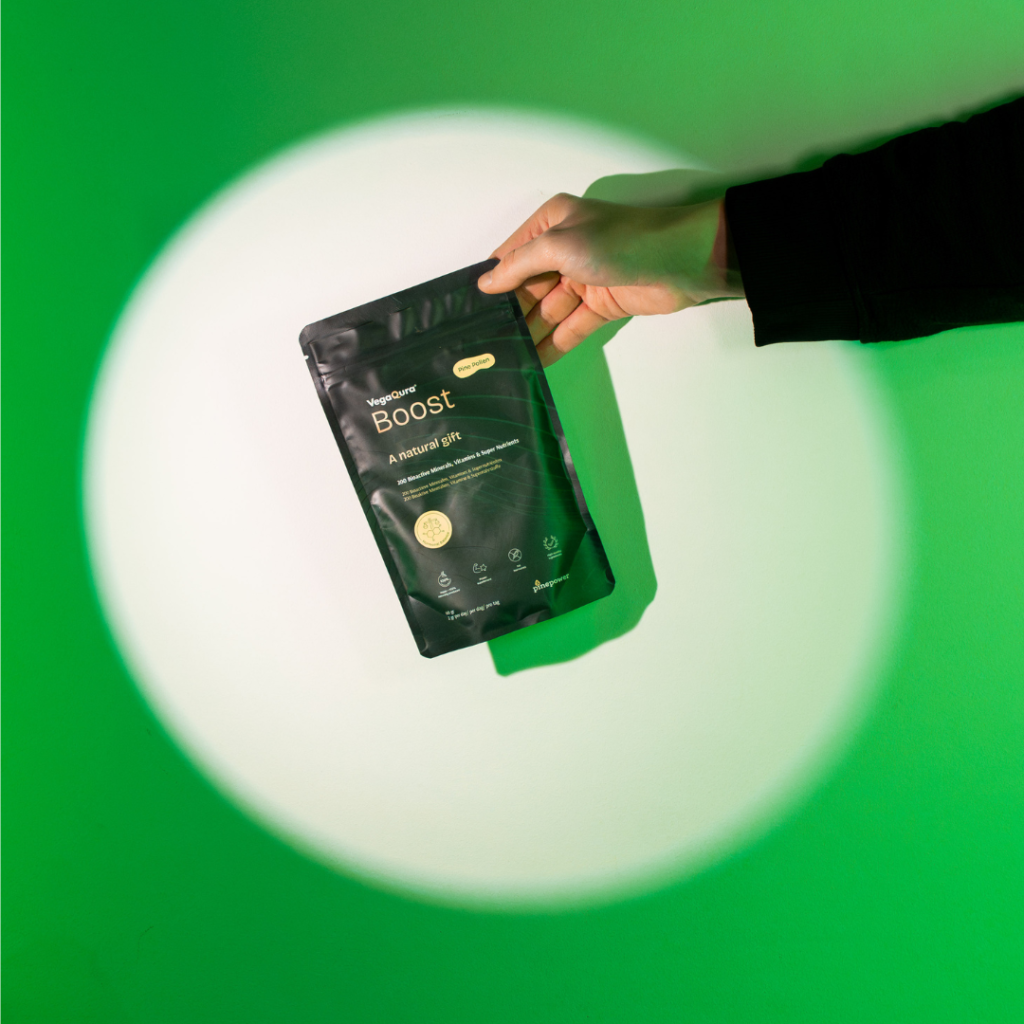
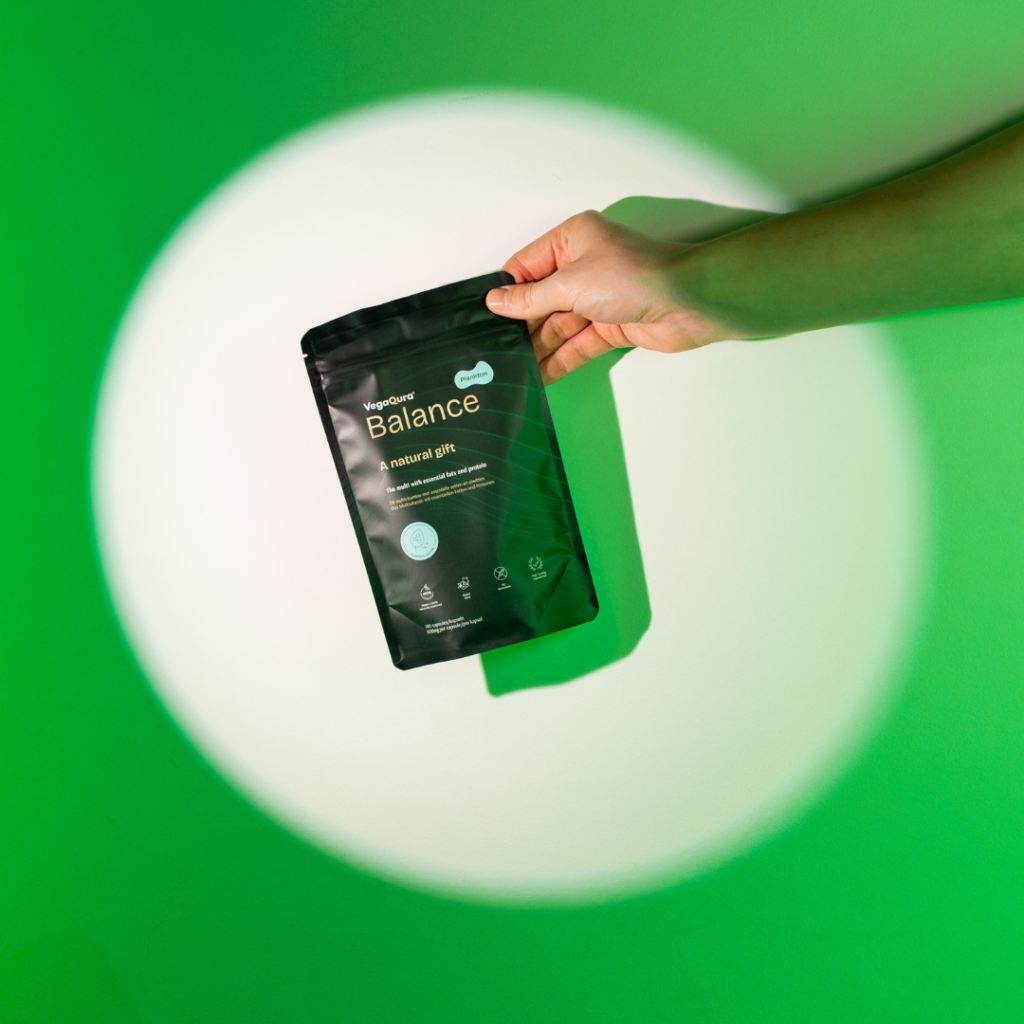
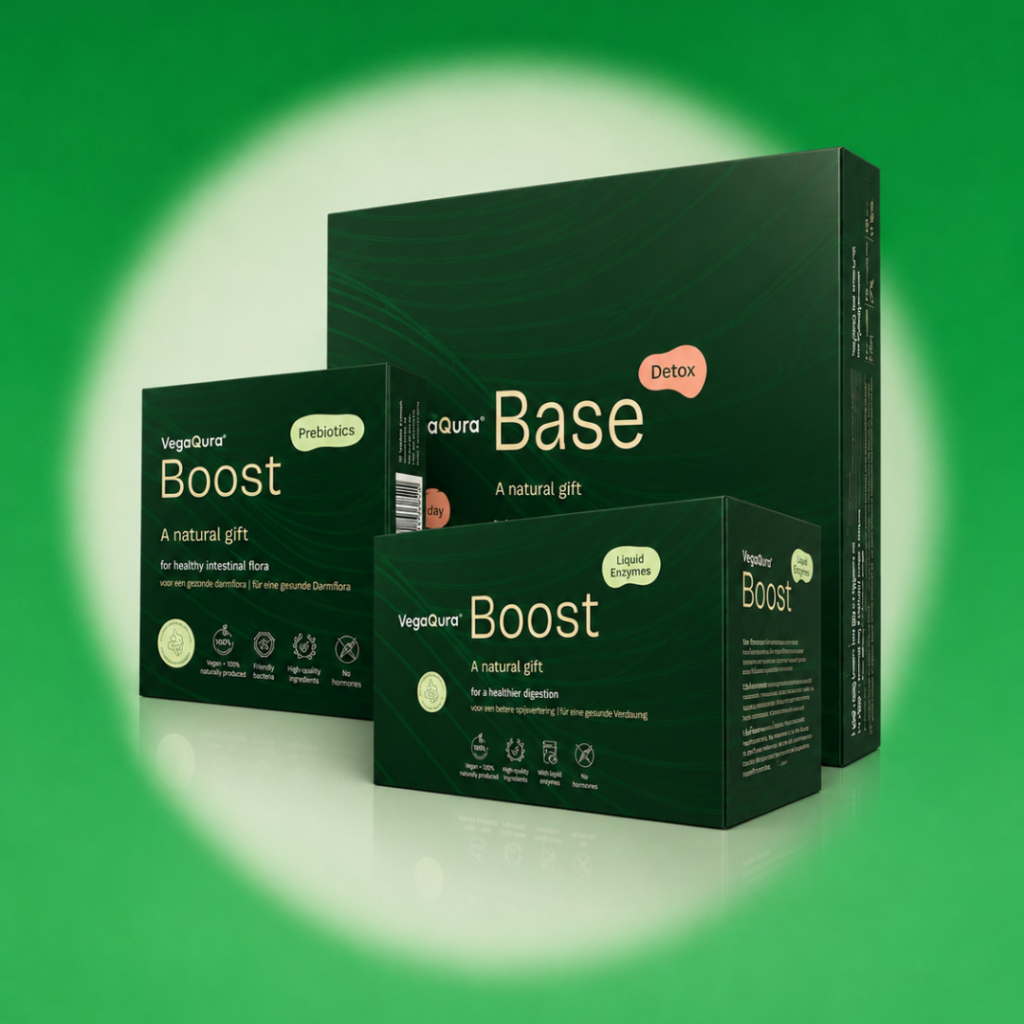
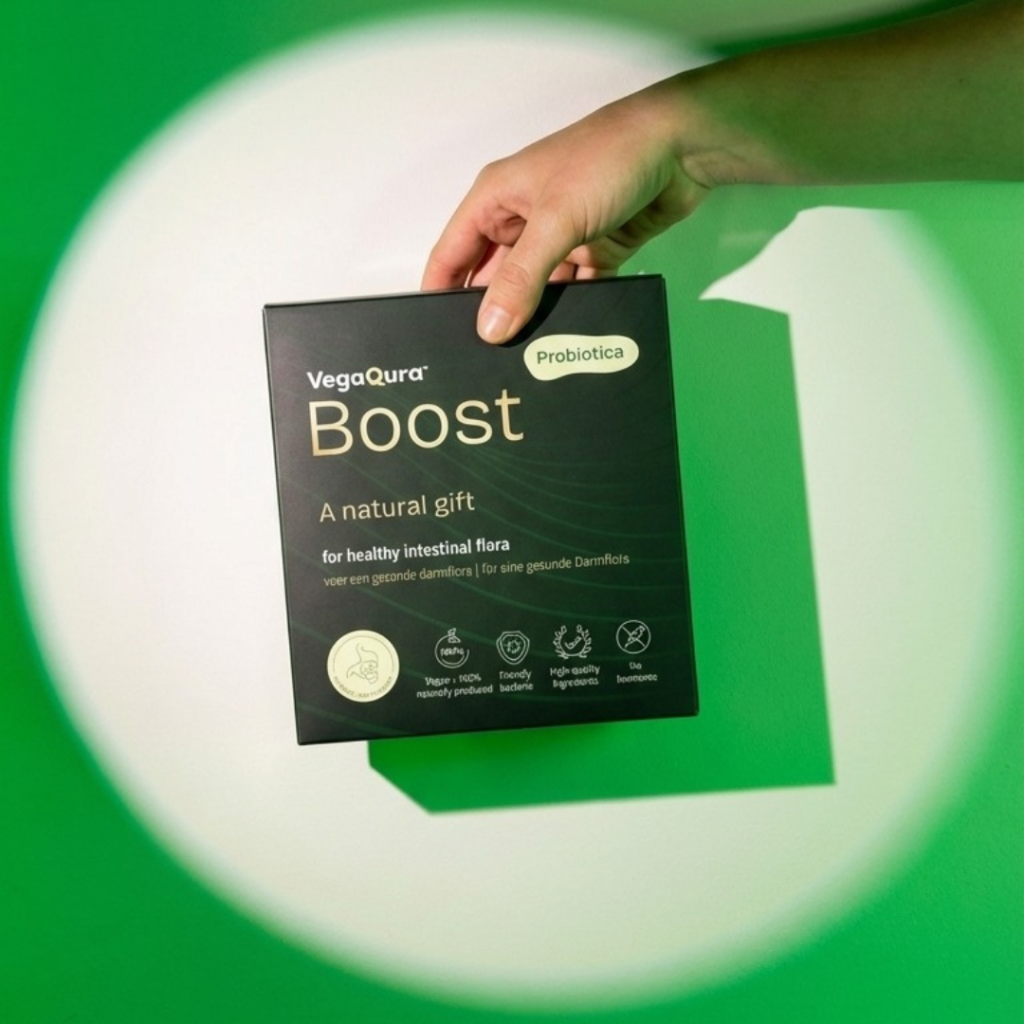
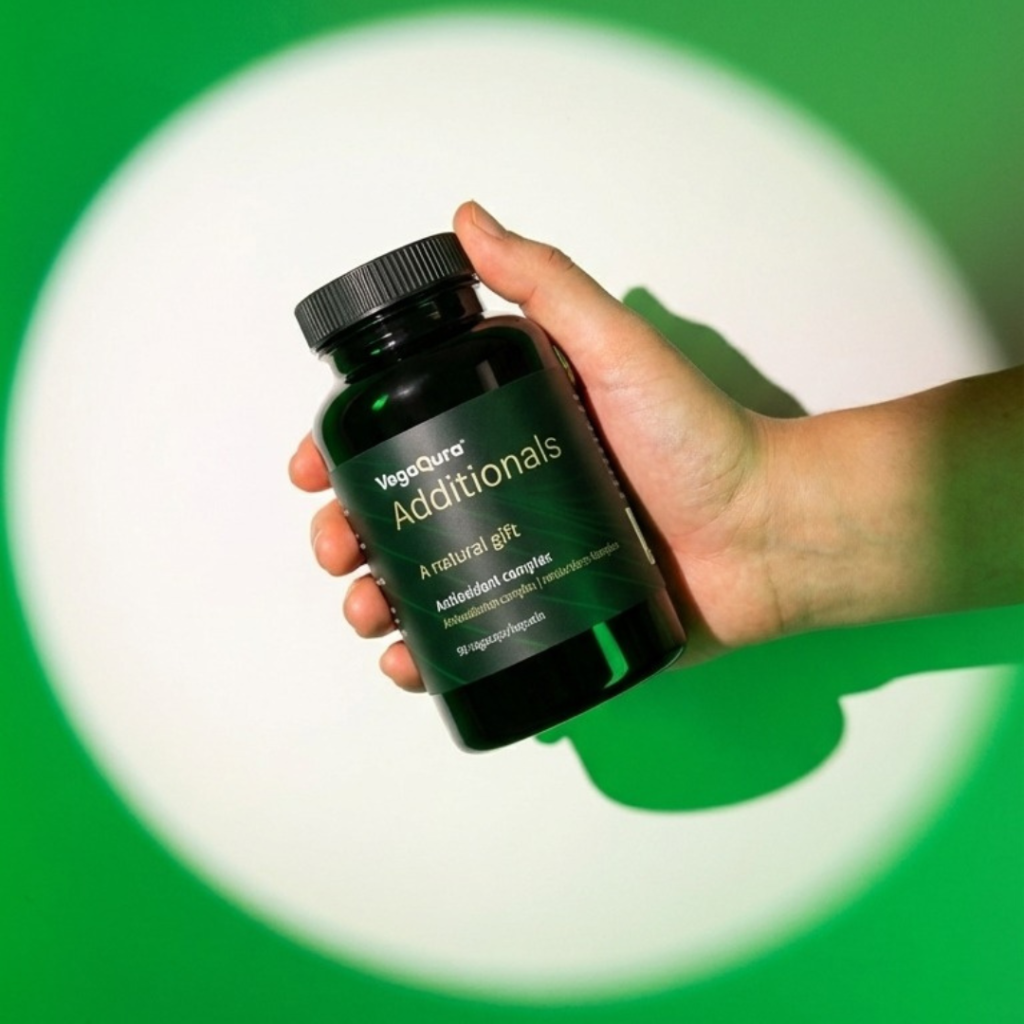
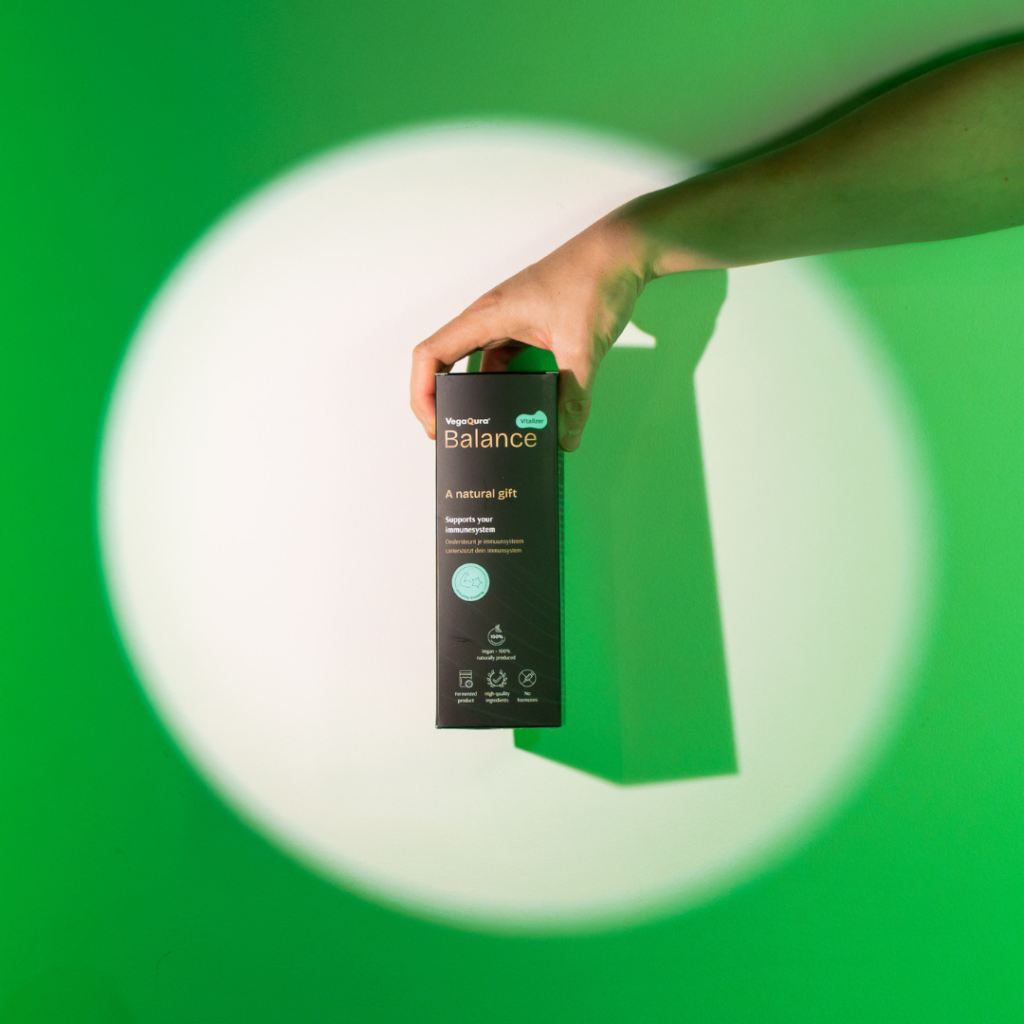
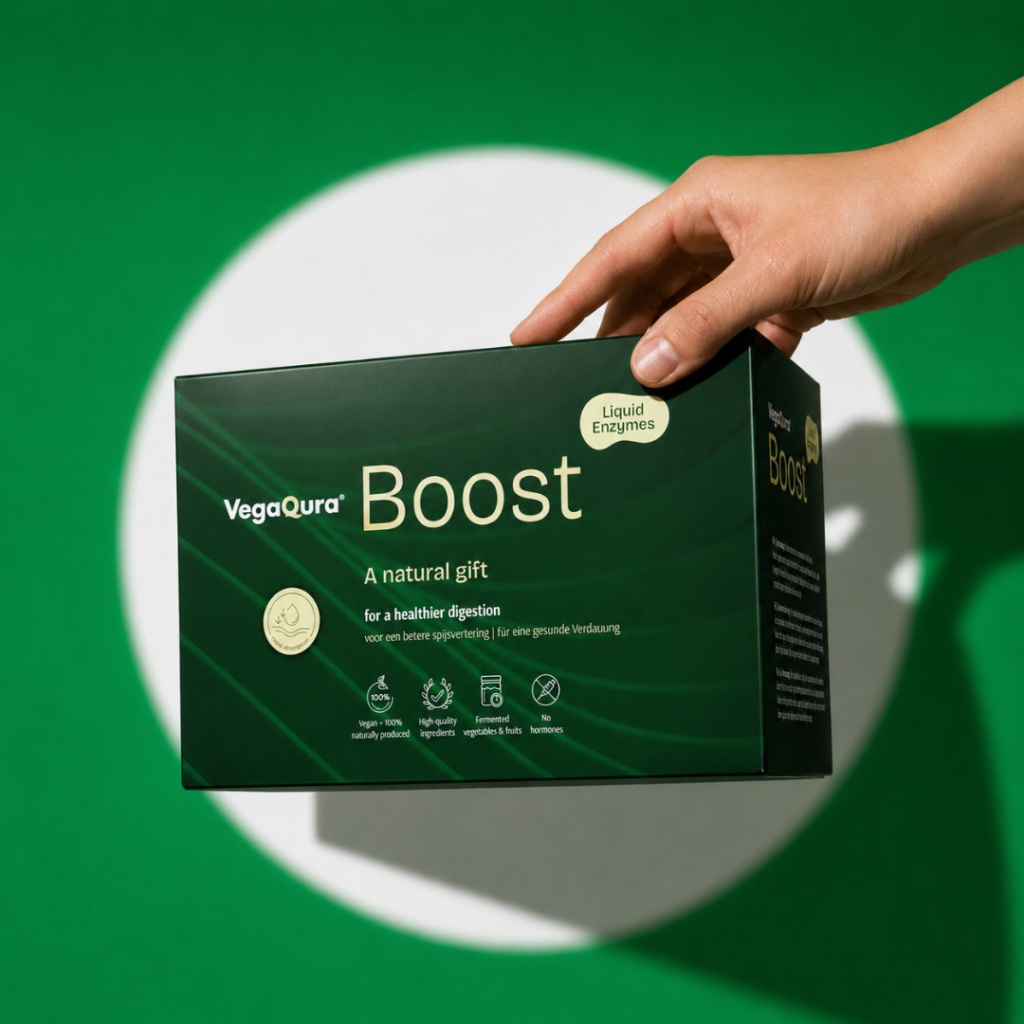
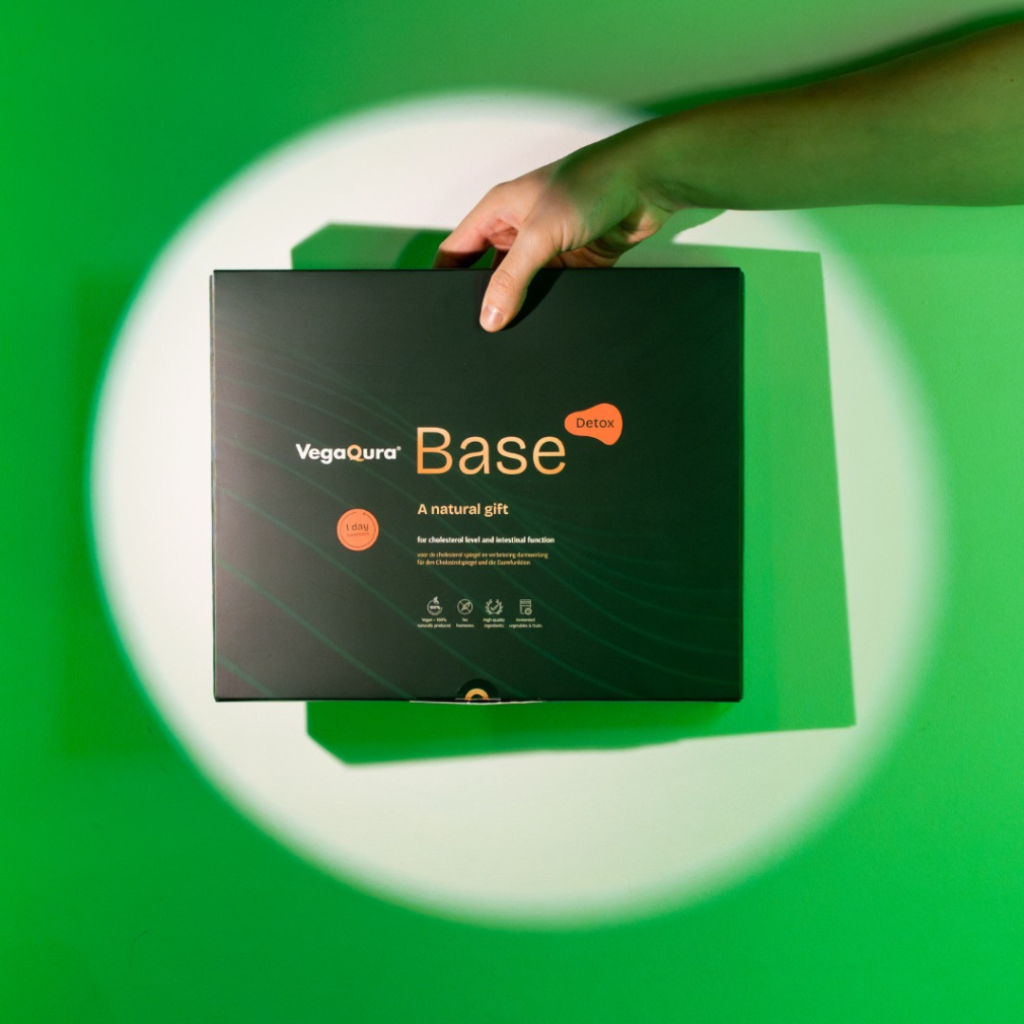
At our company, everything revolves around natural support, based on sun-ripened vegetables and fruit that we ferment according to centuries-old traditions. For women in perimenopause, we have a special hormone package with Vitalizer, pine pollen, and plankton, designed to support your body preventively during this phase.
What you can expect from our approach:
- Fully natural supplements, free from unnecessary fillers, colorings, and flavorings.
- A combination of plant-based ingredients that support your energy and inner balance.
- Fermentation that fits our focus on digestion and gut health, an important theme in perimenopause.
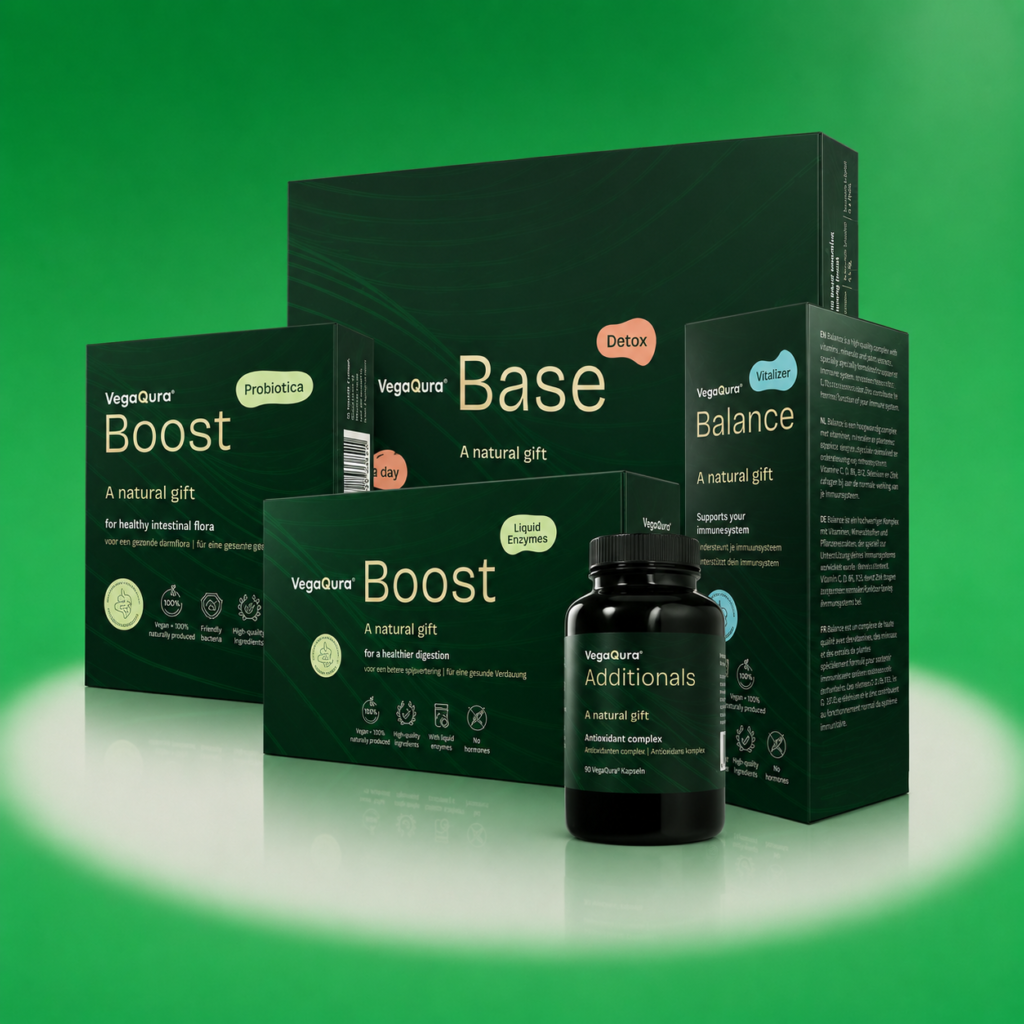
- Products from our Base, Boost, and Balance lines, so you can choose what suits your situation.
Do you want to go through this phase with more energy and balance? Discover our hormone package and take a natural step for yourself. We are happy to think along with you.
Veelgestelde vragen
From what age should I adjust my diet because of perimenopause?
For most women, perimenopause begins between the ages of 40 and 50, but the first signs can appear earlier. You don’t need to wait until you have symptoms: start with small adjustments such as more protein, fiber, and calcium-rich foods. Keep track for a few weeks of how you feel after eating, so you can recognize patterns and adjust more precisely.
How much protein do I need per day during perimenopause?
A commonly used guideline for women in this life stage is about 1.0 to 1.2 grams of protein per kilo of body weight, but your personal need depends on your activity level and health. Spread it across the day: a protein-rich breakfast, lunch, and dinner works better than getting it all in one meal. If you are unsure about the right amount, ask a dietitian for advice.
I have gained weight around my belly without changing how I eat. What can I do?
This is a recognizable effect of declining estrogen, which affects fat distribution and insulin sensitivity. Combine strength training twice a week with enough protein and choose unprocessed carbohydrates instead of white varieties. Strictly cutting back on food often backfires; focus instead on stable meals, good sleep, and daily movement, such as a walk after eating.
Can I get all the nutrients without dairy?
Yes, absolutely. You can also find calcium in leafy greens, almonds, sesame seeds, tofu made with calcium salt, and fortified plant-based drinks. Do pay extra attention to vitamin D and vitamin B12, as these are harder to cover with a plant-based diet. A blood test through your GP gives you something to go on.
Which foods and drinks can worsen hot flashes or sleep problems?
That differs from woman to woman, but caffeine, alcohol, and very spicy food are often mentioned as triggers. Try limiting one thing at a time, for example no coffee after lunch, and see what changes over two weeks. A food diary helps you discover your personal triggers.
How do I practically start improving my gut health during perimenopause?
Build up fiber gradually to prevent bloating: for example, add one extra portion of vegetables or legumes each week. In addition, eat a small amount of fermented food daily, such as a spoonful of sauerkraut or a glass of kefir. Drink enough water, chew well, and take your time with your meal.
When should I see my GP about my symptoms instead of only adjusting my diet?
Make an appointment if your symptoms strongly limit your daily life, if you have heavy or irregular bleeding, or if your symptoms don’t improve after a few weeks of adjustments. If you take medication, it is also wise to consult someone before starting supplements. Nutrition is valuable support, but it does not replace medical advice.