Pine pollen and testosterone: What to expect?
Reading time: 6-8 min
Testosterone is often sold as the explanation for energy, drive and muscle building. This is oversimplified. Testosterone is important, but it is also a result of your sleep, recovery, weight, stress load and overall health. Those who want to address low testosterone with one supplement forget about the other factors involved.
In this blog, the delve deeper into what testosterone is, why it drops, where pinepollen fits into this story and what research does (and does not) show.
What is testosterone?
Testosterone is the most important steroid hormone in men and also plays a role in women, albeit at lower levels. Its precursor is cholesterol, which is produced in the liver. Testosterone is produced via an intermediate step in the adrenal glands called DHEA. DHEA stands for dehydroepiandrosterone, a hormone produced naturally by the body in the adrenal glands and a precursor to both testosterone and estrogen, the sex hormones. DHEA is important for the immune system, the brain, and metabolism.
Testosterone is involved in libido, mood, muscle mass, bone health, and overall vitality. (https://pmc.ncbi.nlm.nih.gov/articles/PMC10307648/)
Important: Your symptoms alone are not a diagnosis. Fatigue, less appetite, irritability or less training progress can have dozens of causes. Therefore, focus on understanding what your body is telling you.
When is testosterone "low"?
In clinical guidelines, the gist is: you only talk about hypogonadism = testosterone deficiency when there are symptoms as well as repeatedly low values in blood (usually in the morning, sober, and on several measuring occasions). https://www.endocrine.org/clinical-practice-guidelines/testosterone-therapy This is not a formality. Testosterone fluctuates due to sleep, illness, stress, caloric intake and even timing of the blood draw. One result often says too little.
Reasons for testosterone deficiency in daily life
1: Sleep deprivation
Testosterone production is strongly related to sleep. In a well-known study, day testosterone in young, healthy men after only one week of sleep restriction to 5 hours per night. https://pmc.ncbi.nlm.nih.gov/articles/PMC4445839/
2: Body weight and metabolic health
Obesity (especially visceral fat around the organs) is often associated with lower testosterone levels. Geweight loss can measurably improve testosterone levels. A recent meta-analysis describes increases in total and free testosterone after weight loss in obese men. https://pubmed.ncbi.nlm.nih.gov/37345263/
3: Strength training and recovery
Strength training provides acute hormonal responses and supports long-term favorable body composition more muscle, less fat. The effect is not “magical,” but it is part of a logical basic approach. https://pubmed.ncbi.nlm.nih.gov/21058750/
4: Alcohol, energy deficiency and nutritional quality
Regularly drinking too much alcohol and chronically spare yourself with too few calories can strain recovery and hormonal balance. Nutrition is not just macronutrients; adequate micronutrients and proteins are boundary conditions.
5: Illness, medication and sleep apnea
Guidelines explicitly mention factors such as obesity, diabetes, sleep disorders such as sleep apnea and certain medications adversely affect testosterone. https://www.saedyn.es/wp-content/uploads/2024/02/Testosterone-Therapy-in-Men-With-Hypogonadism-An-Endocrine-Society-Clinical-Practice-Guideline.pdf
Therefore, if you have clear symptoms as well as risk factors, measuring and counseling is often more useful than experimenting.
What exactly is pine pollen?
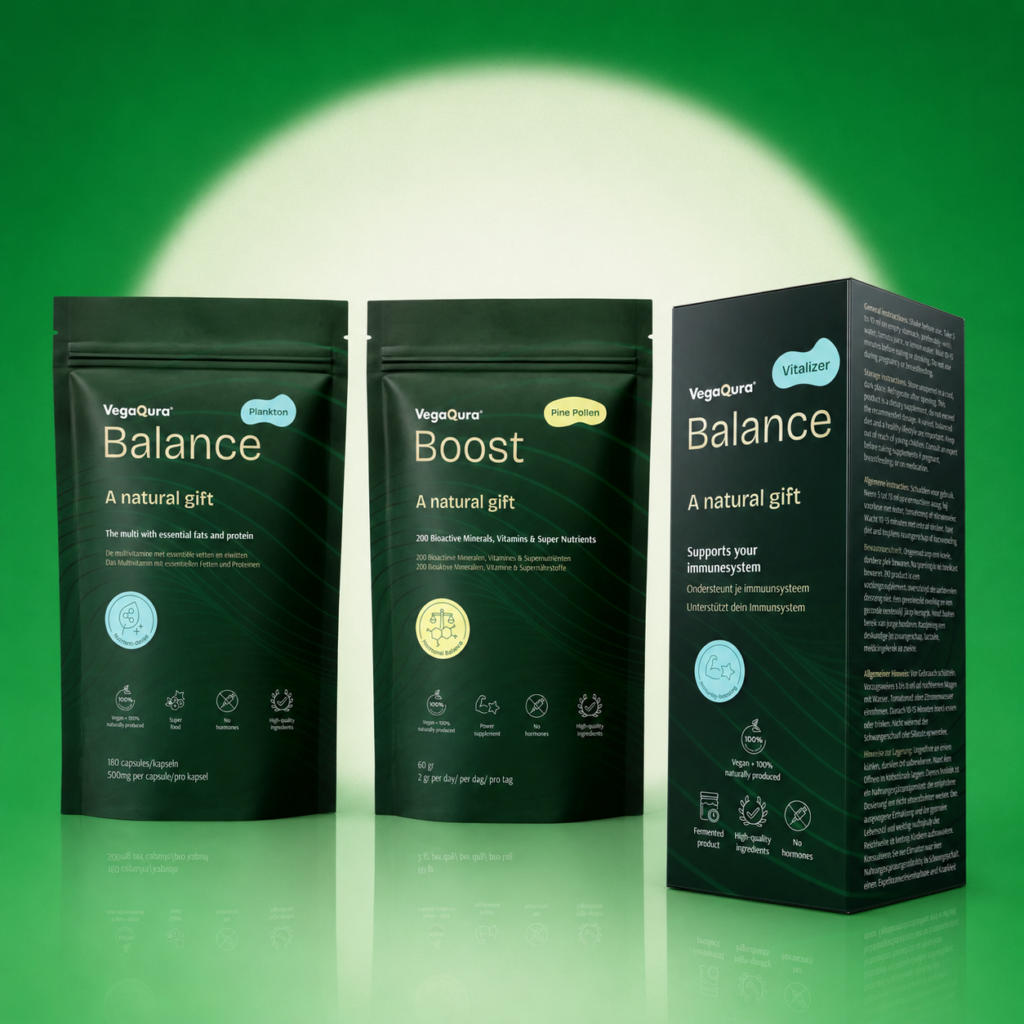
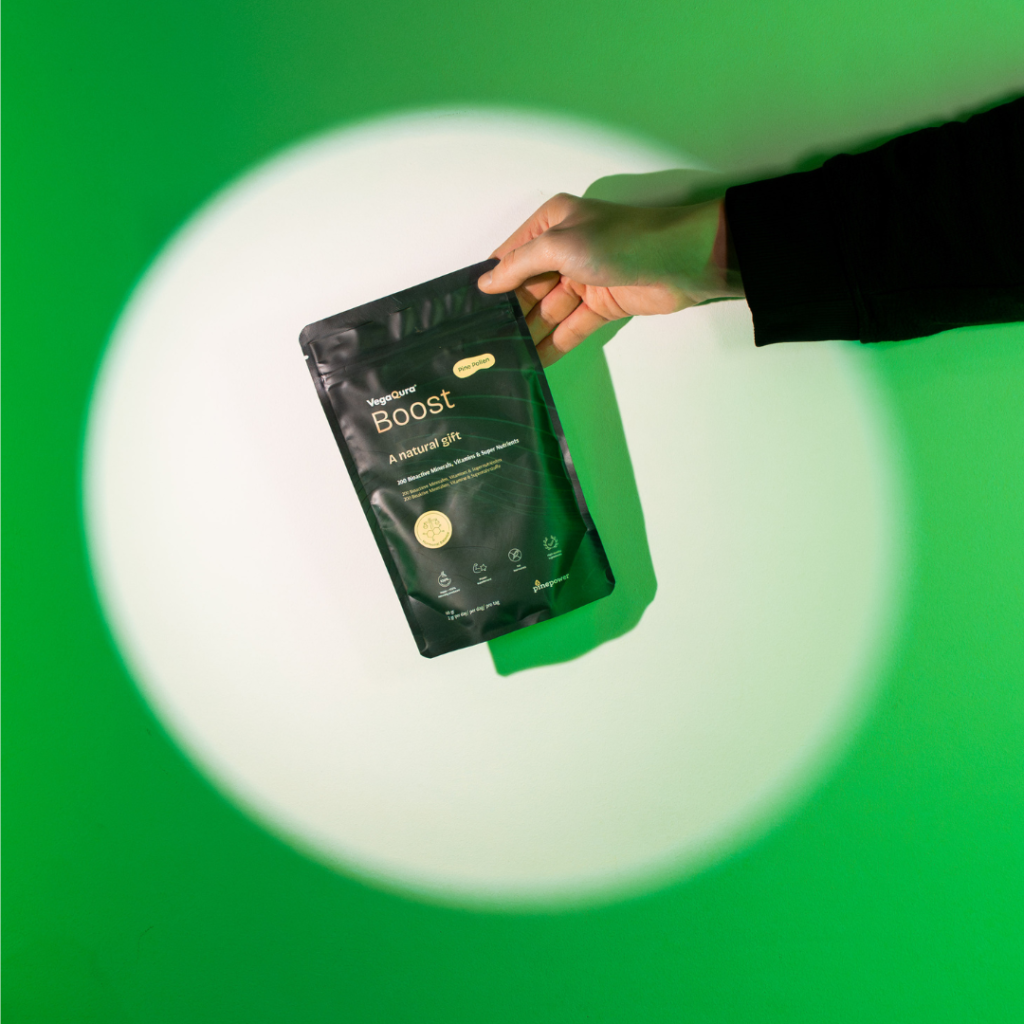
Pine pollen is pollen from pine trees and is a nutrient-rich good because it contains vitamins, minerals, amino acids, polyphenols and antioxidants. The active ingredients are also called pine pollen polysaccharides (PPPS)
That nutrient profile in itself is not controversial. The discussion begins when coupled with testosterone.
Why is pine pollen linked to testosterone?
There are androgens in pollen
Historically, there is research that demonstrated in pine pollen certain steroids/androgens (such as testosterone and related substances). An older publication (1971) reports testosterone, epitestosterone and androstenedione in pollen from Scotch pine. https://pubmed.ncbi.nlm.nih.gov/5549221/
In addition, a review article on plant sterols describes that there are in pine pollen traces of androstenedione and aanverwant steroids have been reported, noting that the field is contradictory and that the mechanism toward human steroid housekeeping is not straightforwardly proven. https://pmc.ncbi.nlm.nih.gov/articles/PMC8150896/
In short its presence does not mean that it would therefore be proven effective. It does mean that a possibility is present.
Pine pollen acts 'androgenically' in animal models
There is open-access research in aquaculture in which pine pollen in food shifts the sex ratio of tilapia toward more males. That says something about biological activity in that particular model, but it is not evidence that it increases testosterone in humans. https://www.sciencedirect.com/science/article/pii/S2352513422004033
What does research say in humans?
Key findings from the available literature regarding the overall health effects of Pinepollen are:
- Pinus massonianapollen polysaccharides (PPPS) exhibit various pharmacological activities, including anti-tumor, liver protective, lipid-lowering, anti-inflammatory, immunomodulatory, antioxidant, hypoglycemic, antiviral and antibacterial properties. https://pubmed.ncbi.nlm.nih.gov/39396591/
- Bibliometric analyses of pine pollen (Pinus pollen) show that the most frequently investigated subjects in pharmacological studies are immune regulation, anti-aging, antioxidation and liver protection. Clinical studies have observed positive effects in conditions such as hyperlipidemia and type 2 diabetes mellitus, often as an adjuvant (addition). https://pubmed.ncbi.nlm.nih.gov/34327226/
Some small studies have been done on the effect of pine pollen in humans
Pilot study in older men 8 weeks, open-label
A pilot report in older men describes that mean total testosterone increased from 362.5 to 448.4 ng/dL with a p-value of 0.0584 = trend, just not classically significant. Complaint scores (qADAM) did improve markedly. The authors call it a beta study and call for larger studies. https://acmcasereport.org/wp-content/uploads/2024/09/ACMCR-v14-2275-1.pdf
What you can do with this:
- It is a signal, not conclusive proof.
- Open-label means: no placebo comparison, so expectancy effects cannot be ruled out.
- It involved a tincture
Pilot observations in younger men (beta/observational)
A later publication discusses an observation/pilot in younger men, calling it one of the few studies to examine this. This was a small study. https://acmcasereport.org/wp-content/uploads/2025/09/ACMCR-V15-3526-1.pdf
The honest conclusion: there is not yet strong, broad clinical evidence that pine pollen reliably increases testosterone in humans. However, there is some evidence that some forms/extracts may do something in certain groups, but that needs to be studied more closely.
So how do you deploy pine pollen wisely?
If you pinepollen want to use it, do it as part of a routine that beats.
1: First, set your foundation for the most return on investment
- 7-9 hours of sleep (and if you snore/breathe: have sleep apnea assessed). https://www.endocrine.org/clinical-practice-guidelines/testosterone-therapy
- Strength training 1–4 times a week + adequate recovery. https://pubmed.ncbi.nlm.nih.gov/21058750/
- Work on reducing belly fat and weight, if that’s an issue. https://pubmed.ncbi.nlm.nih.gov/37345263/
2: Don’t expect a booster, just possible support
Pine pollen is nutrient + bioactive compounds. Some people subjectively experience more drive or better recovery. That is possible and that is why it is a nutritional supplement, not a “natural drug” with guaranteed hormonal increase.
3: Use practical and measurable
Usually a teaspoon per day is advised. That’s around 2 grams mixed with water/juice/tea or a smoothie.
Practical approach:
- Start 7 days with half a dose.
- Evaluate after 4 weeks on specific points: energy, libido, workout, sleep quality.
- Want to really know: combine with lab measurement according to guidelines. endocrine.org
When not to experiment yourself
Take this seriously if it applies to you:
- You are taking hormonal medication or drugs that affect hormones
- You have (or suspect) sleep apnea, severe symptoms or unexplained weight loss
- You want to preserve fertility and are considering testosterone-focused interventions
- You have allergies to pollen/hay fever that reacts violently quickly
In this type of situation, “just trying” is not the right route. Guidelines emphasize diagnosis and guidance, not guesswork. endocrine.org
Conclusion
Pine pollen is associated with testosterone because of the plant sterols and the androgens which are present in the in the pollen have been demonstrated. In addition its there are small studies with an extract form. That is absolutely interestingant.
Literature
- Endocrine Society (2018). Testosterone Therapy in Men With Hypogonadism – guideline resources. endocrine.org
- Leproult R, Van Cauter E. Effect of sleep restriction on testosterone (PMC). PMC
- Ken-Dror G. et al (2024). Meta-analysis: testosterone increase after weight loss in obesity. PubMed
- Wolkodoff NE. et al. (2024). Pine pollen tincture pilot in older men (PDF). Annals of Clinical Reports
- Haase GM. et al. (2025). Pine pollen extract pilot observations in younger men (PDF). Annals of Clinical Reports
- Saden-Krehula M. et al. (1971). Steroids in pine pollen (PubMed). PubMed
- Kopylov AT. et al. (2021). Overview of plant sterols + reference to pine pollen steroids (PMC). PMC
- Abaho I. et al. (2022). Pine pollen in tilapia feed affects sex ratio (ScienceDirect, open access). ScienceDirect