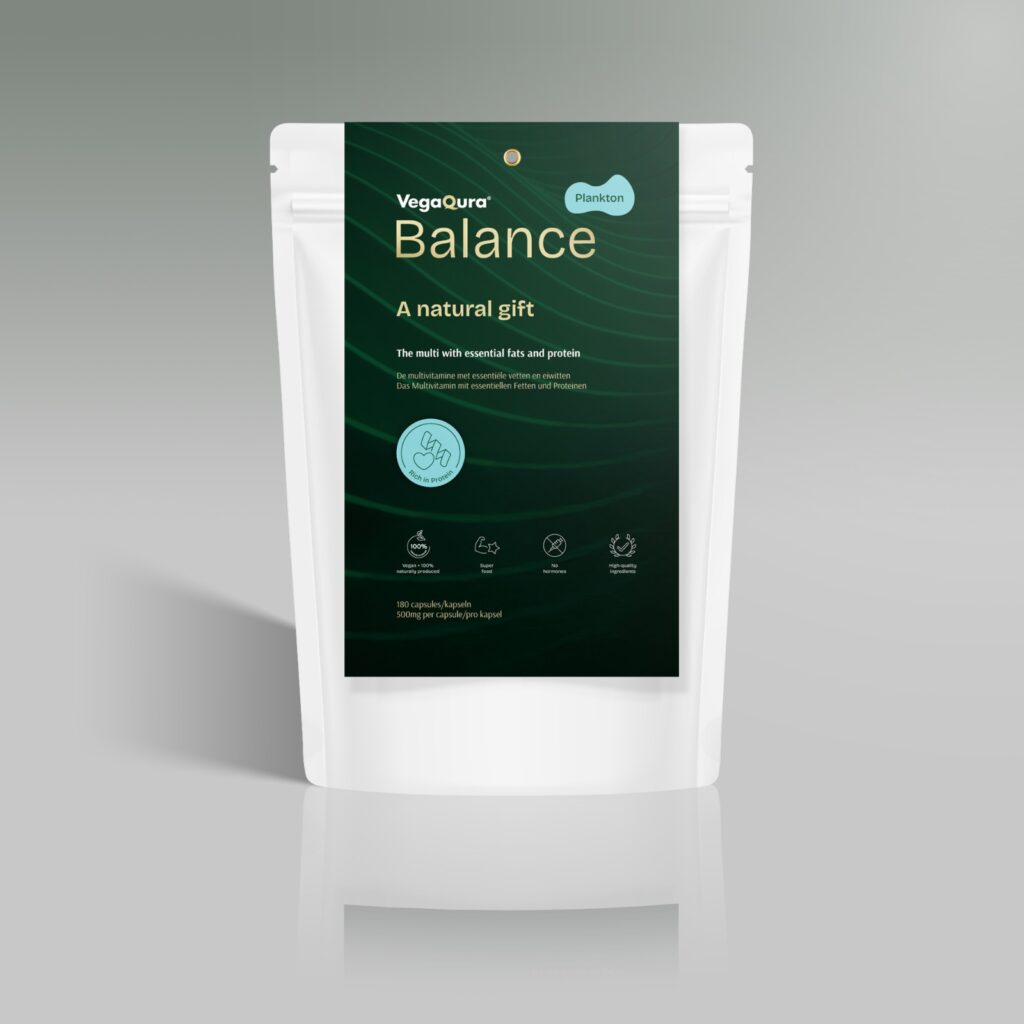


Healthy aging: Why supplements are a smart choice
Reading time: 4-5 min
Older we all get, healthy old age we don’t all get. The question of how to itself can stimulate, becomes increasingly relevant. You eat healthy, exercise enough, have no complaints and feel fit. So why use supplements? It may seem redundant, but scientific publications show that there are good reasons to look into it a little more.
DISCLAIMER: Medications frequently have interactions with other drugs and sometimes also with supplements. For starters, consult the government’s pharmacotherapeutic compass.com yourself and consult with your doctor if you are unsure whether or not you should take something.
Do you really have no vague symptoms?
As a therapist with a holistic view of health, I look not only at symptoms, but at the whole system. I am convinced that a preventive approach with good nutrition and supplements can play a valuable role, especially after age 40. Because from the age of forty, your body’s capacity to produce enzymes decreases. And those enzymes are exactly what you need right now for recording and processing of nutrients. Supplements are a kind of super-concentrated food, offering your body what it needs on a silver platter.
It’s tempting to think you don’t need supplements, because you usually feel good. But that’s not always a reliable indicator. Vague complaints such as fatigue, muscle aches or a somewhat weakened immune system can be signs that your body is not getting all the nutrients it needs. And that doesn’t necessarily mean you’re sick right away; often deficiencies have been dormant for years long before seriousre complaints manifest. Below you will find some examples of so-called vague complaints with the mineral or vitamin that can help cause this deficiency.
| Complaint | Possible cause |
|---|---|
| Persistent snotty and cold | Iodine |
| Thoughts that keep ‘racing around’ in your head | Copper |
| Emerging headache | Sodium + water |
| Bruising that doesn’t go away quickly | Vitamin K |
| Many restless dreams or nightmares | Vitamin B1 |
| Stiffness when getting up | Omega 3 |
| Frog in throat that ‘sticks’ | Calcium |
| Floaters in your eye | Shortage of good proteins |
| Muscle pain that does not go away within 12 hours | Magnesium |
| Night blindness, poor vision in rain | Vitamin A |
Those with one or two of the above symptoms really don’t need to start taking extra vitamins and minerals right away. Rather, you should start eating more products that contain such nutrients (minerals and vitamins). But there are still some snags in that, which I explain further below.
Why I take supplements myself
As a therapist with a holistic view of health, I look not only at symptoms, but at the whole system. I am convinced that a preventive approach with good nutrition and supplements can play a valuable role, especially after age 40. Because from the age of forty, your body’s capacity to produce enzymes decreases. And those enzymes are exactly what you need right now for recording and processing of nutrients. Supplements are a kind of super-concentrated food, offering your body what it needs on a silver platter.
These are my three main reasons why Itake supplements myself:
Food is more processed than ever, but you can’t do everything yourself
Supermarkets are enormously convenient and time-saving for getting your daily food. But they are full of processed products with all kinds of additives: from preservatives to fragrances, colors and flavors. Often these products contain far fewer nutrients and thus have nutritional value than we think. Preservatives and additives that improve shelf life (i.e., prevent premature breakdown) are convenient for industry, but require extra digestive effort from your body, reducing the absorption of minerals and vitamins. Scientific studies also show that processed foods contain fewer micronutrients and that our gut health suffers as a result (Martínez Steele et al., 2016).
Because our lifestyles do not allow us to spend all day producing and preparing food ourselves, there is no escaping choosing convenience foods now and then.
Food contains less and less nutritional value, but you can’t keep eating all day long
Due to long transportation times and soil depletion, our food – including “fresh” fruits and vegetables – contains far fewer minerals and vitamins than, say, 100 years ago. And that has major consequences. For example, as many as half of all Europeans are deficient in at least some crucial micronutrients. These are minerals such as zinc, copper, iodine and – less well known – boron, indium and rubidium. This is partly due to impoverished farmland and partly because 80-90% of Europeans do not eat the recommended amounts of fruits and vegetables. If you want to get more than your daily requirements of all minerals and vitamins, you need to ingest a significant amount and a wide range of vegetables and you would be eating all day, so to speak.
Deficits can lurk and accumulate
As age increases, the risk of deficiencies increases. Older people tend to eat fewer or smaller portions than they did when they were younger. In addition, as you age, your body is less able to produce enzymes needed for effective digestion, so you are less able to extract nutrients from your food. You begin to notice this effect from the age of 40. Add to that the previous two points and you can figure out that problems can arise on both the intake and supply side. Often without you even noticing it right away, but have long-term effects. Deficiencies in nutrients such as zinc, iodine and vitamin D, for example, can disrupt biochemical processes, reduce your resistance and increase your risk of disease.
In short: supplementation is not an unnecessary luxury.
How do you know what to choose?
If you choose supplementation, be aware that supplements are not a substitute for a healthy diet, but are a supplement. Choose supplements that:
- Contain no artificial colors, flavors or added sugars
- Ingredients of natural origin have
- The most bioactive and active forms of vitamins and minerals include
- Reliably and transparently offered by reputable brands or pharmacies
It is not necessary to take supplements day and night. Variety is important; for example, take supplements only on weekdays or alternate between different brands and forms. Consult your therapist or doctor for specific advice, especially if you are taking medications, as interactions are possible.
What does science say about proper dosage?
The RDA (Recommended Daily Allowance) was originally established to prevent diseases due to deficiencies such as scurvy (vit C) or rickets (vit D) and not as a measure of optimal health. For many nutrients, such as vitamin C, for example, higher doses are recommended in cases of stress, fatigue or a busy life. Nobel laureate Linus Pauling even recommended 3000 mg of vitamin C per day for colds, while the RDA is only 150 mg.
In short
Healthy aging requires awareness about nutrition and the importance of adequate nutrients. Supplements can play a valuable role in this, not as a panacea, but as part of a holistic approach to maintaining your vitality and preventing disease.
Want to know more about specific supplements or nutritional recommendations? Feel free to ask your therapist or dietician for customized advice, and above all, keep enjoying the beautiful, natural products of the region and nature!
Literature:
Martínez Steele, E., et al. (2016). Ultra-processed food consumption and health outcomes: A systematic review. Nutrients.
Baker, B. P., et al. (2002). Nutritional differences between organic and conventional foods. The Journal of Agricultural and Food Chemistry.
Eurofins (2020). Nutritional status and deficiencies in Europe.