Ea healthy gut is golden worth! In this blog you will discover why your gut flora has so much influence on your digestion, energy, mood and resistance. You will learn which foods your gut bacteria thrive, what the difference is between pre- and probiotics and how you can make great strides toward a fit and healthy body.
We hear it more and more often: healthy gut flora is essential for good health. But what does that actually mean? In your entire digestive tract – from mouth to butt – lives an entire ecosystem of microorganisms: the microbiome. This “inner garden” consists of bacteria, fungi, yeasts and even viruses, which together have a huge impact on how you feel, how much energy you have and how well your resistance works.
What can you do to support your gut flora?
There is much you can do yourself. These three simple habits already make a world of difference:
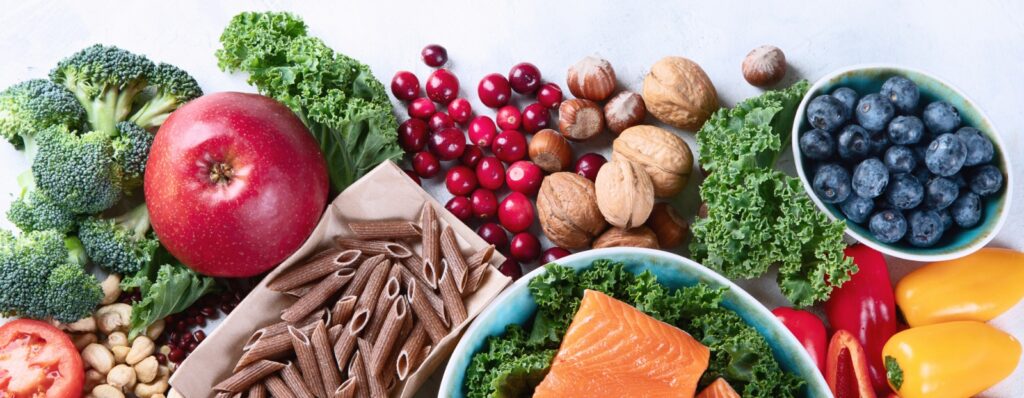
Eat fiber daily. By this I mean especially fiber from vegetables: brassicas, leafy vegetables, roots, tubers, legumes. These are also called prebiotics. Food for your good gut bacteria.
Eat a variety of foods. Different types of fiber feed different strains of bacteria. So variety is important.
Chew well. Digestion begins in your mouth. Chewing properly helps your intestines work more efficiently.
There are two types of fiber: fermentable (such as inulin and FOS, from vegetables, fruits and legumes) and non-fermentable, which retain moisture and keep stools supple. Both are important for healthy bowel movements and bowel function.
Probiotics as additional support for your gut
Besides healthy food, you can strengthen your microbiome with probiotics: live bacteria that you add to your diet. Those from VegaQura contain 8 different strains of bacteria, carefully selected for their specific effects:
The combination of prebiotics (fiber) and probiotics are called synbiotics. This reinforces each other. Therefore, the Boost Probiotics from Vegaqura also prebiotics: so the good bacteria immediately get their favorite food to multiply quickly.
That is particularly important after a course of antibiotics, which can affect your microbiome considerably. But even if you have no symptoms, a course of one to two months is a valuable supplement for daily maintenance. Use 1 sachet per day, possibly in combination with Boost Liquid Enzymes, which help digest your food better.
A healthy gut is the foundation
When you take good care of your gut, you actually take care of your whole body. From more energy to a better mood . Hhese all start in your gut. Give your gut what it deserves: healthy fiber, rest, variety and the occasional big boost with probiotics.
Have questions as a result of this blog? Comment here or email: info@vegaqura.com
Working in the complementary health care profession since 1996. His goal is to spread more awareness about health. ''Healthy living is something we do together.''